Emergency Contact
For urgent assistance, call us at

Health Articles

Home | Health Articles
Showing 1 to 12 of 113 results
Why Your Child’s Hearing May Change as They Grow
Health Articles
26 October 2026
Why Your Child’s Hearing May Change as They Grow
It is a common misconception that passing a newborn hearing screening means a child’s hearing will remain perfect forever. In many cases, a baby passes the initial screening at birth, yet parents or teachers notice signs of hearing difficulties months or even years later. Understanding why this happens can help you take the right steps if you notice changes in your child.Understanding "Late-Onset" Hearing LossWhen a child passes their newborn screening but develops hearing loss later, it is referred to as late-onset or progressive hearing loss. Because the newborn screening only checks hearing at the exact moment of birth, it cannot predict how a child’s hearing system will develop as they grow.Several factors can lead to hearing loss appearing after a successful newborn screening:Noise-Induced Damage from Headphones: This is a growing concern for children and teens. Listening to music, videos, or games through earphones at high volumes, especially at "max levels", can cause permanent, irreversible damage to the delicate hair cells in the inner ear. Many personal audio devices can reach volumes over 100 decibels, which can damage hearing in just minutes. Because this damage is typically gradual and painless, it often goes unnoticed until significant hearing loss has already occurred. Genetic Factors: Some hereditary types of hearing loss are delayed. A child may be born with the genetic markers for hearing loss, but the condition only begins to manifest or worsen as they grow older.Infections: Certain illnesses, such as meningitis, severe ear infections, or viral infections like cytomegalovirus (CMV), can damage the inner ear after the baby has left the hospital.Chronic Ear Problems: Repeated middle ear infections or chronic fluid buildup can interfere with sound conduction. While often treatable, if left unchecked, these can impact speech development and sound perception over time.Progressive Conditions: Some children have conditions where the hearing slowly fades over time. This is why "passing" at birth is a snapshot of that moment, not a lifetime guarantee.Why You Should Trust Your InstinctsSince hearing loss can emerge long after the initial screening, your role as a parent is the most important part of the process. You are the expert on your child’s daily behavior. If you feel like your child isn’t responding to sounds the way they used to, or if their speech seems to be hitting a plateau, do not assume it is "just a phase" or because they passed their newborn test.Red flags to watch for as your child grows:Speech Changes: They stop using words they previously knew or their speech becomes less clear.Volume Needs: They consistently turn the TV or tablet volume up higher than others in the house.Lack of Response: They do not respond to their name when called from another room or when they aren't looking at you.Academic or Social Hurdles: At school or play, they may seem "tuned out," frequently ask "what?", or struggle to follow instructions compared to their peers. Do not wait for a routine check-up if you are concerned. Request a comprehensive hearing evaluation; this goes far beyond the basic screening and provides a detailed picture of your child’s current hearing health. Early intervention at any age is the most effective way to ensure your child stays on track with their speech, learning, and social development.
Read More
A New Option for Patients with Hard-to-Control High Blood Pressure
Health Articles
16 October 2026
A New Option for Patients with Hard-to-Control High Blood Pressure
High blood pressure (hypertension) is often called the "silent killer" because it usually has no symptoms but can quietly damage the heart, brain, kidneys, and blood vessels over time. While many people can manage their blood pressure with lifestyle changes and medications, some continue to have elevated readings despite taking several prescribed medicines.At the Asian Cardiovascular Institute (ACVI) of Asian Hospital and Medical Center, our Cardiac Catheterization Laboratory now offers Renal Denervation (RDN)—an advanced, minimally invasive procedure that helps lower blood pressure by targeting overactive nerves connected to the kidneys.What is Renal Denervation (RDN)?Renal Denervation is a catheter-based procedure designed to help lower blood pressure in adults with hypertension.During the procedure, a specially designed catheter is inserted through a blood vessel, usually in the groin, and guided to the arteries supplying the kidneys. Controlled energy is then delivered to reduce the activity of the sympathetic nerves surrounding these arteries.These nerves can become overactive and contribute to persistently high blood pressure by causing the body to:Tighten blood vessels Retain excess salt and water Increase stress hormone activity By reducing this nerve activity, Renal Denervation helps support long-term blood pressure control.Who May Benefit from Renal Denervation?Your cardiologist may recommend Renal Denervation if you:Have high blood pressure that remains elevated despite taking multiple medications Have difficulty maintaining blood pressure goals Cannot tolerate certain blood pressure medications because of side effects Want an additional treatment option alongside healthy lifestyle changes and medication Are considered an appropriate candidate after a comprehensive cardiovascular evaluation Not every patient with hypertension needs Renal Denervation. A thorough assessment by our cardiovascular specialists is necessary to determine if this treatment is right for you.Signs Your Blood Pressure May Not Be Well ControlledMany people with hypertension feel perfectly well, but uncontrolled blood pressure may increase the risk of serious complications.Consult your doctor if you experience:Blood pressure consistently above your target range Frequent headaches Dizziness Blurred vision Shortness of breath Chest discomfort Repeated high blood pressure readings despite treatment Even without symptoms, uncontrolled hypertension should never be ignored.How is the Procedure Performed?Renal Denervation is performed inside the Cardiac Catheterization Laboratory using minimally invasive techniques.Step 1: PreparationYou will receive local anesthesia and medications to help you stay comfortable.Step 2: Catheter InsertionA small catheter is inserted through an artery in the groin and carefully guided to the renal arteries.Step 3: Renal DenervationThe catheter delivers controlled energy to reduce the activity of the nerves surrounding the renal arteries.Step 4: RecoveryThe catheter is removed, and patients are monitored before going home. Many patients are discharged within a day, depending on their overall condition.Benefits of Renal DenervationRenal Denervation offers several potential advantages:Helps lower blood pressure over timeMinimally invasive procedure No permanent implant left inside the body Can complement blood pressure medications—not necessarily replace them May help reduce long-term cardiovascular risk associated with uncontrolled hypertension Short recovery period for most patients Treatment plans remain individualized, and patients should continue regular follow-up with their healthcare provider.Is Renal Denervation Safe?Renal Denervation has been evaluated in multiple international clinical studies and has demonstrated a favorable safety profile in appropriately selected patients. Like any medical procedure, it carries potential risks, which your cardiologist will discuss before treatment.Patient selection and expert procedural technique are essential for achieving the best possible outcomes.Why Choose the Asian Cardiovascular Institute?The Asian Cardiovascular Institute provides comprehensive, patient-centered cardiovascular care using advanced diagnostic and interventional technologies.Our Cardiac Catheterization Laboratory is equipped to perform a wide range of minimally invasive heart and vascular procedures, supported by experienced interventional cardiologists, skilled nurses, and dedicated cardiovascular specialists.When you choose ACVI, you benefit from:Experienced cardiovascular specialists State-of-the-art Cardiac Catheterization Laboratory Advanced minimally invasive treatment options Comprehensive hypertension evaluation Personalized treatment plans Seamless coordination with other medical specialties when needed Frequently Asked QuestionsWill I stop taking my blood pressure medicines after Renal Denervation?Not necessarily. Many patients continue taking medications, although treatment may be adjusted by their physician based on blood pressure response.How long does the procedure take?The procedure typically takes about one hour, although total hospital stay may vary depending on individual circumstances.Will I feel the treatment?The procedure is performed with local anesthesia and medications for comfort. Your care team will monitor you closely throughout.Is Renal Denervation a cure for hypertension?No. Renal Denervation is not considered a cure, but it is an additional treatment option that can help lower blood pressure as part of a comprehensive hypertension management plan that includes healthy lifestyle choices and ongoing medical care.Take Control of Your Blood PressureIf your blood pressure remains high despite medications and lifestyle changes, it may be time to explore other treatment options.The specialists at the Asian Cardiovascular Institute can evaluate your condition and determine whether Renal Denervation is an appropriate option for you.Schedule a consultation today and learn how advanced, minimally invasive cardiovascular care can help you achieve better blood pressure control and protect your heart, brain, and kidneys for years to come.
Read More
Hypertension (High Blood Pressure)
Health Articles
12 October 2026
Hypertension (High Blood Pressure)
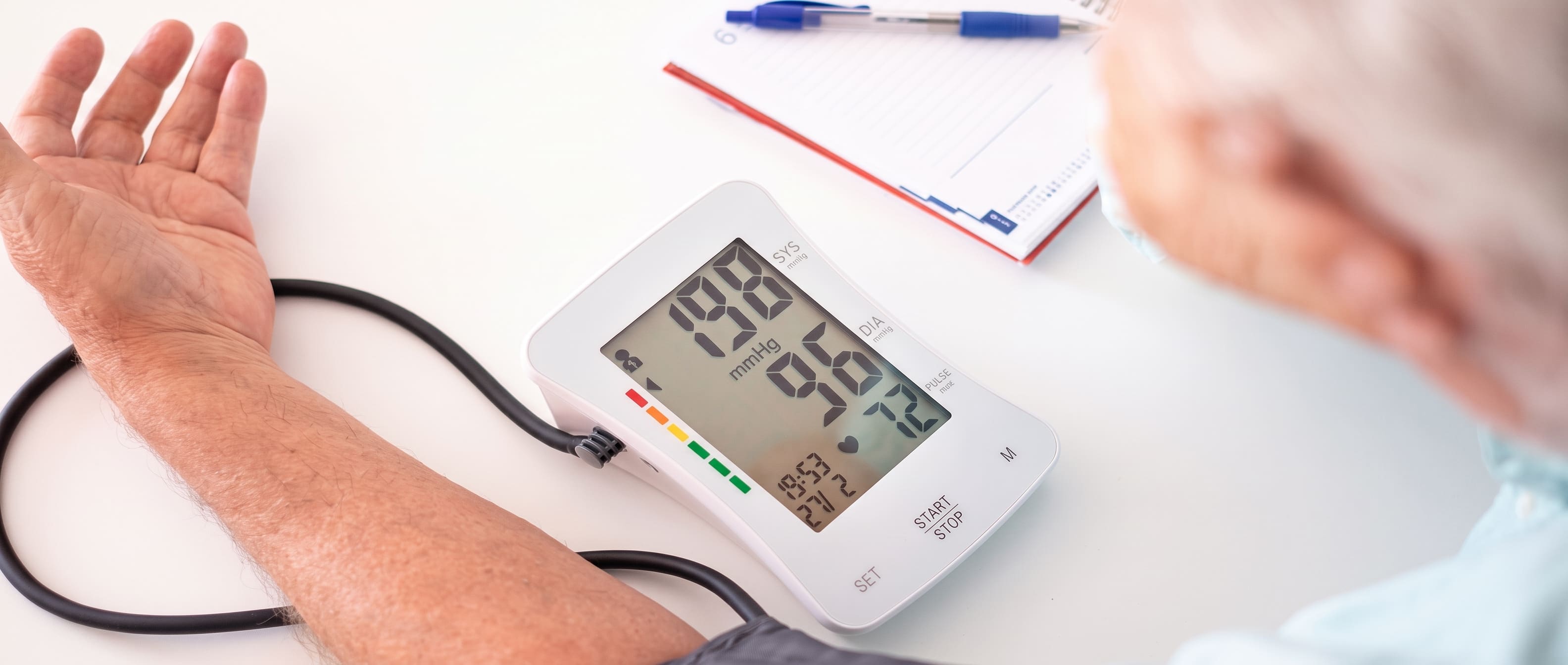
What is Hypertension (High Blood Pressure)?Hypertension, or commonly known as high blood pressure, is a common condition affecting millions of adults worldwide. It happens when the force of blood pushing against your artery walls stays consistently high throughout a period. A single high reading does not mean you have hypertension. It is perfectly normal for your blood pressure to briefly jump during a stressful moment, a heavy workout, or even after a strong cup of coffee. Doctors only diagnose hypertension when your numbers remain persistently elevated across multiple check-ups, which is why routine monitoring is crucial.What are the symptoms of Hypertension?There are usually no noticeable symptoms for Hypertension, thus this disease being labelled as a “silent killer”. If your blood pressure is severely elevated with a reading of ≥ 180/120 mm Hg, this constitutes a hypertensive emergency where immediate medical treatment is needed. During hypertensive emergencies, these symptoms may start to manifest:Severe, throbbing headachesChest pain or tightnessShortness of breath or difficulty breathingSudden blurry vision or other changes in your eyesightDizziness or lightheadednessUnexplained nosebleedsHeart palpitations or an irregular heartbeatConfusion or difficulty focusing Swelling in your lower legs, feet, or ankles.Blood Pressure ReadingsBlood Pressure Systolic (mm/HG) Top Number Condition (and/or) Diastolic (mm/HG) Bottom Number Normal > 120 and > 80 Elevated 120 – 129 and > 80 Stage 1 Hypertension 130 – 139 Or 80 – 89 Stage 2 Hypertension 140 higher Or 90 higher Severe Hypertension / Hypertensive Emergency Higher than 180 And/or Higher than 120 How to read your blood pressure checker at homeYour blood pressure reading has two numbers. The top number, systolic, tracks the pressure in your arteries each time your heart beats. The bottom number, diastolic, measures that same pressure while your heart rests between beats.To check for your current blood pressure, you may use your own home blood pressure checker and compare your results with the table above. It is important to note that only a doctor can diagnose a patient with chronic hypertension. A single reading does not constitute a diagnosis.Readings with condition “and” must meet the two criteria indicated in the table. Readings with “or” condition needs to satisfy just one condition to be classified (i.e. a reading of 120/89 is still considered as stage 1 hypertension). How to manage high blood pressure at homeIf you have an elevated high blood pressure with no other symptoms, you may try to:Loosen any tight clothingDrink water. Dehydration may cause a spike in your blood pressureTake slow deep breathsRest and avoid sudden movementsFor those with prescription, take your medicationsDO NOT TREAT SEVERE / HYPERTENSIVE EMERGENCIES AT HOME. CALL FOR IMMEDIATE MEDICAL ASSISTANCE OR BRING PATIENT IMMEDIATELY TO EMERGENCY DEPARTMENT. ASIAN HOSPITAL EMERGENCY HOTLINE: +63288765755Where can I have a hypertension assessment? If you have been putting off checking your blood pressure, or managing hypertension on your own, the Hypertension Clinic at Asian Hospital and Medical Center is here to change your approach to heart health. Asian Hospital’s Hypertension Clinic is a a specialized unit designed to give you total clarity and control over high blood pressure. It aims to guide you through precise diagnostic evaluations, personalized treatment navigation, and provide sufficient patient education on hypertension to help you achieve stable, healthy numbers, prevent serious long-term complications, and master a heart-healthy lifestyle.
Read More
The Unseen Advantage: Proactive Care for Your Athlete
Health Articles
12 October 2026
The Unseen Advantage: Proactive Care for Your Athlete
The Unseen Advantage: Proactive Care for Your AthleteWatching your child step out to compete, you know exactly how much heart they’ve poured into getting ready. But while the coaches focus on the warm-ups and the hours of practice, a mother’s eye always sees the bigger picture. The most powerful preparation happens away from the field, rooted in the quiet, everyday maintenance of your athlete's overall health condition. By making sure their fundamental well-being is nurtured, rested, and protected, you are giving them the greatest advantage of all: a healthy body that is fully empowered to handle whatever the game demands.When we talk about making sure your child is "fit to play," we aren't just talking about taping up an ankle or recovering from last week's game. True fitness to play is about proactive care. It means taking the time to screen their baseline health, ensuring their heart, lungs, and growing bones are fundamentally strong. It is the deep peace of mind that comes from knowing their body is completely prepared. Is General Check-Up Enough preparation?While a standard annual physical is a wonderful foundation for your child's everyday wellness, a general check-up simply isn't designed to evaluate the unique, intense demands placed on a young athlete's growing body. When they are sprinting, pivoting, and pushing their physical limits, their health needs are entirely different from the average student.A Comprehensive Check-Up For Your AthletesAs a parent, you want absolute certainty that your child is safely supported before they step onto the field. That is exactly why the Pre-Game Health Assessment packages at Asian Hospital and Medical Center are designed as a truly comprehensive check-up specifically built for athletes. The pre-game advantage offers: Advanced Cardiovascular Screening: A general exam typically only listens to the heart at rest. These specialized packages utilize advanced cardiology tools—including an EKG, CPET, and a 2D Echo (tailored for either pediatric or adult patients)—to ensure their heart can safely sustain the high-level exertion required in competitive sports.Targeted Structural Evaluations: Standard physicals can easily miss the subtle wear-and-tear caused by athletic training. To counter this, the assessment includes a dedicated Orthopedic Doctor's Consultation and Musculoskeletal Strength Testing to actively assess joint stability, structural readiness, and prevent overuse injuries before they happen.Deep Metabolic and Nutritional Insights: Rather than simply checking height and weight, this assessment looks at the internal engine driving your child's performance. Expert Clearance to Play: Instead of a standard doctor's note, every assessment culminates in an official Orthopedic Sports Medicine Doctors' Clearance to Play. This gives you the definitive reassurance from specialized sports medicine experts that your child is fundamentally sound, fully protected, and truly ready to safely give the game their all.Who is eligible for the Pre-Game Health Assessment package?The Pre-Game Health Assessment packages are designed for athletes across all ages and competitive levels.Whether you are preparing a young child for their first youth league, supporting a high school varsity athlete, or keeping an adult competitor in top form,Ultimately, watching them compete should be a moment of absolute pride, not anxiety. By choosing a specialized Pre-Game Health Assessment at Asian Hospital and Medical Center, you are securing the most important asset they will ever bring to the field: a thoroughly evaluated and supported body. Give your athlete the safest foundation for a winning season, and give yourself the ultimate peace of mind. Schedule their comprehensive assessment today.
Read More
Is Vaping Safer Than Smoking? The Hidden Health Risks of E-Cigarettes
Health Articles
12 October 2026
Is Vaping Safer Than Smoking? The Hidden Health Risks of E-Cigarettes
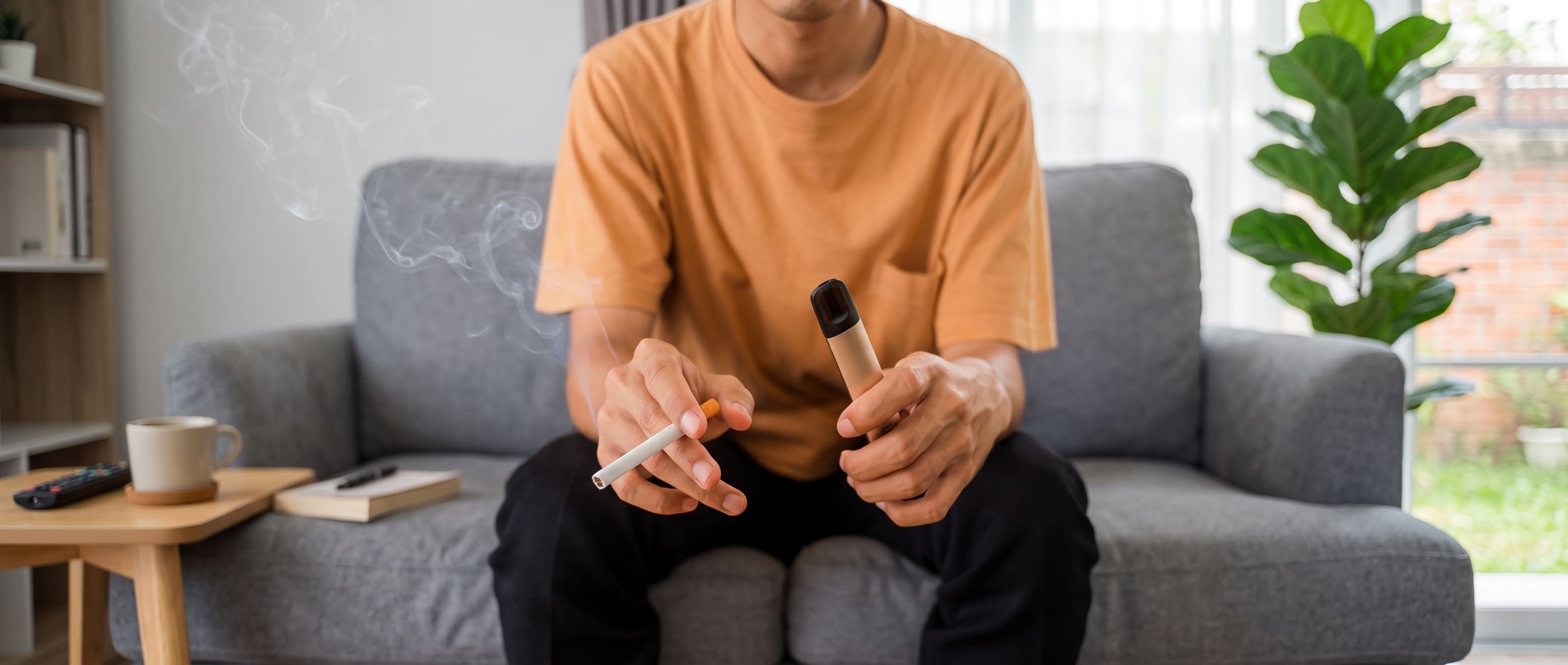
Is Vaping Safer Than Smoking? The Hidden Health Risks of E-CigarettesMany people switch from traditional smoking to vaping with the hope of making a healthier choice. It is widely advertised as the cleaner, smokeless option. However, swapping one habit for another introduces a new set of health risks that are often misunderstood.Your lungs cannot send you a warning text when things start going wrong. That is exactly why it is important to listen to your body and take action before symptoms ever appear.Is vaping actually safer than smoking?Vaping exposes you to fewer toxic chemicals than traditional combustible cigarettes, which contain dozens of known cancer-causing agents. Because of this, it is sometimes viewed as a less harmful alternative for current smokers. However, "less harmful" does not mean safe. Vaping still introduces foreign, irritating substances into your respiratory system and carries significant risks of its own, including severe lung inflammation and cardiovascular strain.What exactly am I inhaling when I vape?Many people mistakenly believe vapes produce harmless water vapor. In reality, the device heats a liquid into an aerosol mist. This liquid typically contains:Nicotine: The highly addictive chemical found in tobacco.Flavorings: It is mistakenly believed that natural flavorings does no harm. However, it is best to know that these chemicals may be safe to eat, but are not necessarily safe to inhale into your lungs.Propylene glycol and glycerin: Solvents used to create the visible mist.Volatile organic compounds: Heavy metals and tiny particles that can embed deep within lung tissueCan electronic cigarettes cause permanent lung damage?Yes. The fine particles and flavoring chemicals inhaled during vaping cause intense swelling and irritation. Over time, this constant disruption can lead to permanent scarring and narrowing of the airways. In severe cases, users have developed a life-threatening condition called EVALI (e-cigarette or vaping use-associated lung injury), which causes widespread lung damage and requires emergency medical care.How does nicotine affect me without the tobacco smoke?Even without burning tobacco, nicotine remains a highly toxic substance. It is a potent stimulant that forces your heart to work harder by raising your blood pressure and spiking your adrenaline. Furthermore, nicotine physically alters the brain's reward pathways, creating a powerful addiction that can cause anxiety, mood swings, and severe cravings when you try to stop.Is vaping a reliable way to quit smoking?While some adults have successfully used vapes to transition away from traditional cigarettes, they are not officially approved as smoking cessation tools by major health organizations. The biggest danger is becoming a "dual user"—someone who smokes cigarettes sometimes and vapes at other times. This practice actually increases your total exposure to toxins. For those looking to quit entirely, medically approved therapies such as smoking cessation programs remains to be the safest, most effective route.Smoking Cessation Program at Asian Hospital and Medical CenterQuitting smoking or vaping is one of the most challenging but rewarding choices you can make for your body. Because severe respiratory and cardiovascular damage often develops silently, prioritizing early detection and professional support is vital.The journey to a smoke-free future does not have to be taken alone. Asian Hospital and Medical Center offers a dedicated Smoking Cessation Program designed to help patients safely and effectively break free from nicotine addiction. The Smoking Cessation Program offers: Personalized Action Plans: Medical professionals help you create a step-by-step strategy tailored to your specific habits, triggers, and level of nicotine dependence.Medical Support: Access to safe, medically approved therapies that manage withdrawal symptoms and cravings far more effectively than switching to a vape.Ongoing Monitoring: Regular check-ins and screenings to track your lung health recovery and manage any underlying damage before it becomes severe.If you are ready to take the first step toward a healthier, smoke-free life, professional guidance is your strongest tool.For inquiries about the Smoking Cessation Program or to set up an appointment, contact the Asian Hospital Infohub at (02) 8771-9000 local 5193 or email Infohub@asianhospital.com.
Read More
Why Do Filipinos Struggle to Quit Smoking?
Health Articles
12 October 2026
Why Do Filipinos Struggle to Quit Smoking?
Quitting smoking is universally difficult due to the highly addictive nature of nicotine, but Filipino smokers face a unique intersection of deep-rooted cultural habits, environmental triggers, and systemic barriers that make breaking the cycle particularly tough.At its core, the difficulty of quitting is biological. Cigarettes are engineered to rapidly deliver nicotine to the brain, triggering a release of dopamine (the "feel-good" hormone).Brain Adaptation: Over time, the brain requires nicotine just to maintain a normal baseline.Severe Withdrawal: When a person tries to stop, the sudden absence of nicotine causes the body to panic. This leads to intense withdrawal symptoms within hours, including headaches, restlessness, severe anxiety, irritability, and trouble sleeping. To immediately relieve this physical discomfort, many simply light up again.Filipino Cultural Routines and Social Triggers that makes it hard to quitIn the Philippines, smoking is rarely just a chemical habit; it is deeply woven into daily life and social interaction.The "Ritual" Smoke: Many Filipino smokers tightly associate cigarettes with specific daily routines. It is frequently used as a way to "complete" the day, paired with a morning coffee, or used right after a meal under the misconception that it aids digestion.Social Normalization and Peer Pressure: Smoking often serves as a social lubricant. Among young Filipinos, studies indicate a persistent belief that smoking makes a person more socially accepted or attractive. Turning down a cigarette in a social setting or during a work break can feel isolating.Household Exposure: A significant barrier to quitting is the home environment. With more than half of Filipino households lacking strict smoke-free rules, those trying to quit are constantly exposed to second-hand smoke and the sight of family members smoking, creating relentless psychological triggers.What Should I Do If I Really Want To Quit?Taking the first step to quit smoking is a profound commitment to your long-term health, and while sheer willpower is a commendable starting point, it is rarely sustainable on its own. Nicotine addiction is a complex physical dependency, and unpredictable external factors—such as sudden stress, social pressure, or ingrained daily routines—can quickly erode even the strongest motivation. The most effective approach is to seek professional medical intervention through specialized programs, such as the Smoking Cessation Facility at Asian Hospital and Medical Center. A clinically guided approach provides a much more sustainable path to recovery because it transitions the burden from isolated willpower to structured medical support. This specialized care gives you access to evidence-based interventions, including tailored nicotine replacement therapies, personalized behavioral counseling to manage specific lifestyle triggers, and physician-monitored care to safely and comfortably navigate withdrawal symptoms.Quitting is not a test of personal strength; it is a medical journey that deserves comprehensive, compassionate care. Remember that you do not have to fight this dependency alone, and seeking clinical support is a powerful declaration of dedication to your well-being. By partnering with dedicated healthcare professionals, you equip yourself with the exact medical tools and continuous encouragement needed to break the cycle for good and finally reclaim a healthier, smoke-free life.
Read More
Why Women Experience More Joint Pain After Menopause: A Guide to Osteoarthritis
Health Articles
12 October 2026
Why Women Experience More Joint Pain After Menopause: A Guide to Osteoarthritis
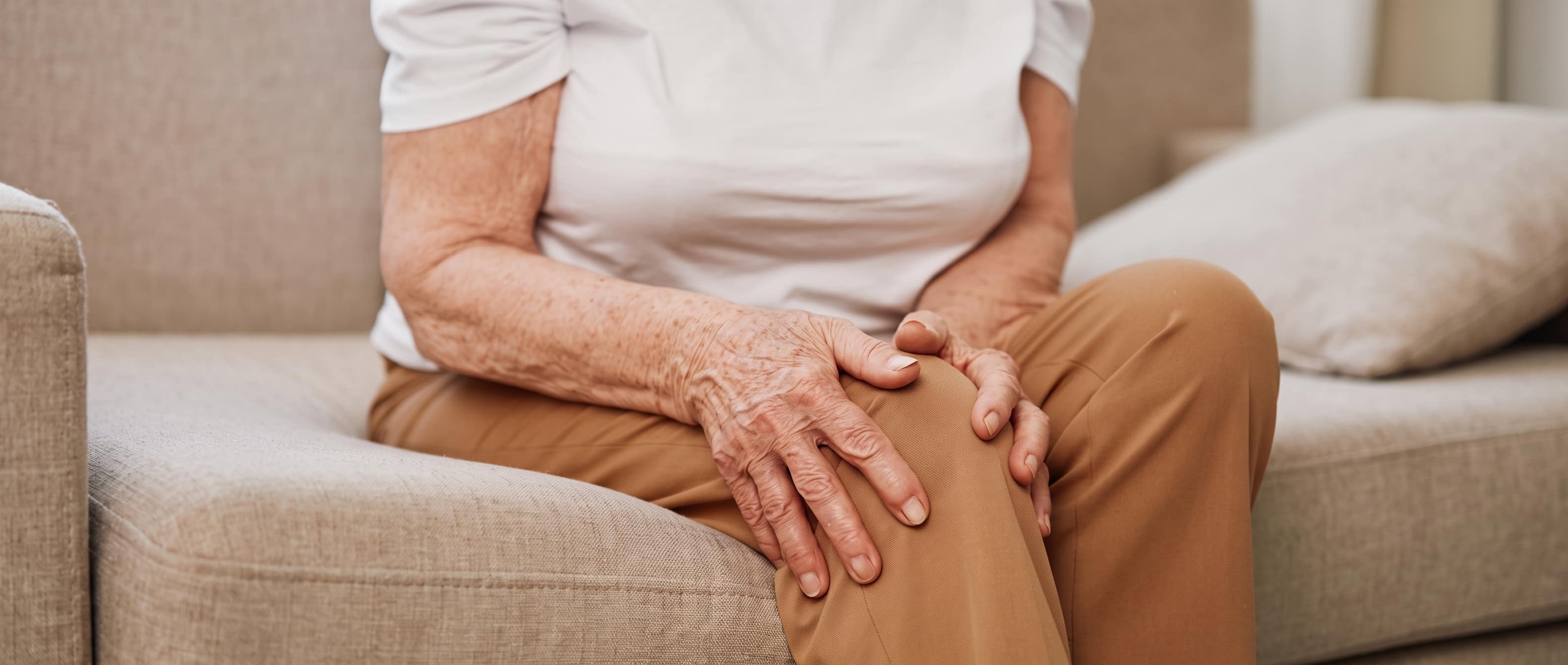
Why Women Experience More Joint Pain After Menopause: A Guide to OsteoarthritisIf you have noticed more frequent joint aches or stiffness lately, you are certainly not alone. Many women find that their joint health changes noticeably during and after menopause. This is a common experience, but it often leaves many wondering: what exactly is happening to our joints, and why does this seem to affect women more than men?Osteoarthritis is the most common type of arthritis. It happens when the protective "cushioning" tissue at the ends of your bones, called cartilage, gradually wears down over time. When this happens, your joints lose their smooth glide, which can lead to pain, swelling, and stiffness. Osteoarthritis often accelerates or becomes more noticeable for women during the hormonal shifts that occur after menopause.Why Are Women More Prone to Osteoarthritis After Menopause?While there isn't one single cause, a combination of factors plays a major role:The Estrogen Connection: Estrogen is a powerhouse hormone that helps keep joints healthy by managing inflammation and keeping cartilage strong and flexible. As estrogen levels drop during and after menopause, this protective "shield" weakens, making joints more susceptible to wear and tear.Anatomical Differences: Because of the natural structure of the female body specifically having wider hips, women’s joints, particularly in the knees, often experience different alignment and stress patterns compared to menBone Density: Menopause also affects bone health. As bone density decreases, the joints may face additional stress, increasing the risk of pain and injurySigns and Symptoms of OsteoarthritisOsteoarthritis symptoms often develop slowly but can become more persistent over time. You may notice:Pain: Aches during or after movementStiffness: Especially noticeable first thing in the morning or after sitting for a long timeLimited Motion: Feeling like a joint isn't as flexible as it used to beGrating or Popping: A sensation or sound when moving the jointHow Can You Manage Your Joint Health?While you cannot "reverse" the wear that has already happened, you can take meaningful steps to protect your joints and manage discomfort:Move Smart: Regular, low-impact exercise such as walking, swimming, or cycling keeps joints lubricated and strengthens the muscles around them.Maintain a Healthy Weight: Every extra pound puts additional pressure on weight-bearing joints like the knees and hips. Even small changes in weight can significantly reduce that loadStay Hydrated: Your cartilage is largely made of water. Keeping hydrated helps maintain that essential cushion.Listen to Your Body: If joint pain is interfering with your daily life, don't just "push through." See a healthcare professional to discuss a plan that works for you, whether that involves physical therapy, lifestyle adjustments, or other medical options
Read More
Osteoporosis
Health Articles
12 October 2026
Osteoporosis
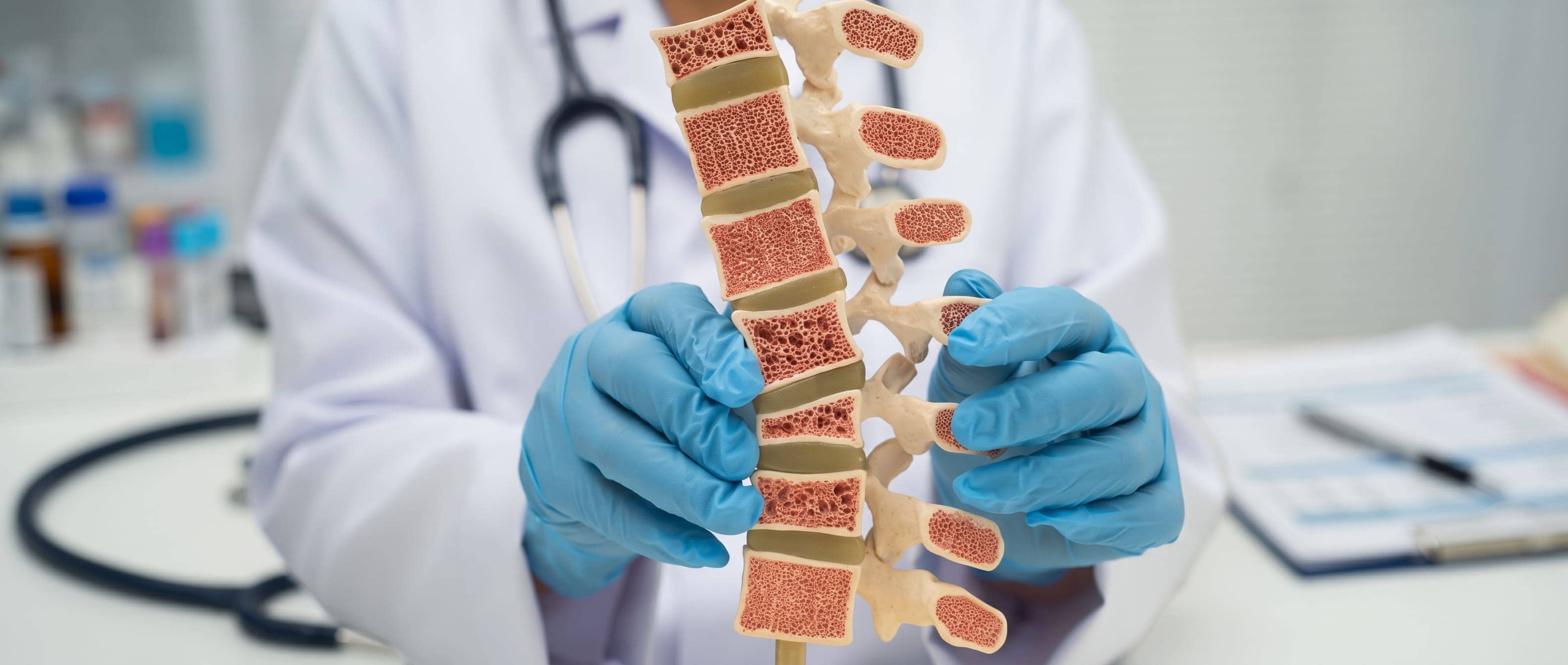
What is Osteoporosis?Osteoporosis literally means "porous bone." It is a medical condition where bones become weak, brittle, and less dense, significantly increasing the risk of sudden and unexpected fractures.Inside a healthy bone, the internal structure looks a bit like a sponge or a honeycomb. When osteoporosis occurs, the "holes" in this honeycomb grow much larger, reducing the bone's overall density and structural integrity.What are the signs and symptoms of Osteoporosis?Osteoporosis is also known as a "Silent Disease". This is because bone loss happens invisibly over time, you cannot "feel" your bones getting weaker. Many people do not realize they have osteoporosis until a minor fall, a bump, or even a sudden sneeze causes a fracture — most commonly in the hip, wrist, or spine.However, once bones have been significantly weakened by osteoporosis, the following signs and symptoms may occur:Easily fractured bones: This is often the first and most common sign. A fracture can occur from a very minor fall from a standing height, bumping into furniture, or even from everyday movements like bending, lifting, or coughing.Back pain: This is frequently caused by a fractured or collapsed vertebra in the spine. The pain can be sharp, sudden, and localized to the middle or lower back.Loss of height over time: The gradual collapse and compression of the spinal bones (vertebrae) can cause a person to become noticeably shorter, sometimes losing an inch or more in height.A stooped or hunched posture: As the weakened vertebrae in the upper spine collapse, it can cause the spine to curve forward. This results in a stooped posture or a hunched upper back (medically known as kyphosis).Are there any tests that can help detect osteoporosis?A Bone Mineral Density (BMD) test aids in the early detection of osteoporosis by serving as an invisible early-warning system that measures how tightly packed your bone minerals are long before any physical symptoms or fractures occur.We also have the Fracture Liaison Service (FLS) at the Asian Hospital and Medical Center. It is a program designed to detect early signs of bone loss (osteoporosis) and prevent future fragility fractures in patients, particularly those over 50 years old. The FLS integrates bone risk assessments, Bone Mineral Density (BMD) testing, and medical interventions to protect your mobility and long-term bone health.What can I do to prevent OsteoporosisPreventing osteoporosis involves building strong, dense bones during your youth and minimizing bone loss as you age. Because bone health is a lifelong process, adopting proactive habits early or adjusting now can significantly lower your risk of fractures later in life. Lifestyle adjustments may include:Optimizing Your NutritionGet enough calcium: Calcium is the primary building block for strong bones. Incorporate dairy products, dark leafy greens (like malunggay or kale), sardines, and calcium-fortified foods into your daily meals.Boost your Vitamin D: Your body needs Vitamin D to effectively absorb calcium. Safe, moderate sun exposure and foods like fatty fish, egg yolks, and fortified products help maintain adequate levels. If necessary, a doctor can check your blood levels to see if a supplement is needed.Ensure adequate protein: Protein is a fundamental component of bone tissue. Lean meats, fish, beans, and legumes support overall bone strength and muscle mass.Engage in Regular Exercise - Bones grow stronger when forced to work against resistance and gravity. A well-rounded routine includes:Boost your Vitamin D: Your body needs Vitamin D to effectively absorb calcium. Safe, moderate sun exposure and foods like fatty fish, egg yolks, and fortified products help maintain adequate levels. If necessary, a doctor can check your blood levels to see if a supplement is needed.Weight-bearing aerobic exercises: Activities like walking, jogging, dancing, and stair climbing force your legs and lower spine to carry your body weight, stimulating bone formation.Resistance training: Lifting weights, using resistance bands, or doing bodyweight exercises (like push-ups and squats) pulls on the bones, encouraging them to build extra density.Balance and flexibility exercises: Practices like yoga, tai chi, or targeted stability training improve coordination and posture, drastically reducing your risk of accidental falls.Adopt Bone-Healthy Lifestyle HabitsAvoid smoking: Tobacco use significantly accelerates bone loss and lowers calcium absorption in the body.Limit alcohol consumption: Heavy drinking interferes with the body's ability to absorb calcium and disrupts the normal bone-rebuilding process. Keep alcohol intake moderate.Manage caffeine and sodium: Excessive intake of caffeine and very salty foods can cause your body to excrete more calcium, potentially weakening bones over time.Know Your Risk and Get ScreenedReview your medications: Certain long-term medications—such as oral corticosteroids (like prednisone)—can weaken bones. Talk to your doctor if you take these regularly.Get evaluated early: If you have a family history of osteoporosis, went through early menopause, or have other risk factors, talk to your doctor about assessing your bone density with a Bone Mineral Density (BMD) test to catch any silent bone loss before a fracture occurs.Asian Orthopedic and Musculoskeletal InstituteAt the Asian Orthopedic and Musculoskeletal Institute (AOMI) of Asian Hospital and Medical Center, we believe that protecting your mobility starts long before an injury happens. Rather than waiting to treat an acute fracture, our multidisciplinary team is dedicated to proactive clinical screening and comprehensive, long-term disease management. Whether you are establishing a baseline with a Bone Mineral Density (BMD) test or navigating recovery through our dedicated Fracture Liaison Service (FLS), AOMI provides the expert, personalized care you need to safeguard your skeletal health, prevent future injuries, and maintain a strong, independent lifestyle for years to come.

Read More
How Gentle Rehab Prevents Falls in Older Adults
Health Articles
2 October 2026
How Gentle Rehab Prevents Falls in Older Adults
How Gentle Rehab Prevents Falls in Older AdultsWatching a loved one grow older—or navigating the journey ourselves—often brings a quiet worry about falls and injuries. It is a very common concern, with roughly one in four older adults experiencing a stumble each year. Sometimes, just the fear of falling is enough to make someone step back from the activities they once loved. Sadly, this leads to a cycle where moving less actually causes the body to lose more strength, making future accidents even more likely. But aging does not mean we have to surrender our independence. With a compassionate approach and the right support, older adults can reclaim their stability and their confidence.Understanding the Body's Natural ShiftsTo prevent falls, it helps to understand exactly why we tend to lose our steady footing as the years go by. It is rarely just about clumsiness. Think of your balance as a three-legged stool: it relies on your leg muscles, your eyesight, and the tiny balance sensors deep inside your ears. Over time, all three of these "legs" can get a little wobbly. We naturally lose some muscle mass, making our legs feel less sturdy beneath us. Our eyes might not adjust as quickly to shadows or catch the edge of an uneven rug. Plus, those inner-ear sensors that tell our brain whether we are standing straight or tilting start to lose their sharpness. When these three systems stop communicating as quickly as they used to, our reaction times slow down, making it much harder to catch ourselves if we trip.Rebuilding Strength Through RehabilitationThe hopeful news is that these physical changes are highly manageable with the right guidance. This is exactly where the Group Supervised Therapeutic Exercise Program (GSTEP) at Asian Hospital and Medical Center comes in. Rather than waiting for a fall to happen, GSTEP is a proactive physical therapy program designed to retrain your brain and muscles to work together in harmony. Because the exercises are guided by medical professionals, participants can safely push their limits and practice their balance without the fear of falling.Enrolling in GSTEP provides several benefits:Targeted Muscle Strengthening: Gentle, specialized exercises using resistance bands and light weights rebuild the essential core and leg strength needed to keep you firmly planted on the ground.Real-World Balance Training: Therapists help you safely practice staying centered during slight wobbles, so your body remembers exactly how to react and correct itself in everyday situations.Improved Endurance and Flexibility: The routines enhance overall heart health and joint mobility, making daily tasks like climbing stairs, getting out of a chair, or reaching for shelves much easier.Expert Medical Supervision: Every single movement is monitored by trained specialists who adapt the exercises on the spot to match your unique physical capabilities and existing health conditions.Healing and Growing TogetherHealing is not just about physical strength; it is also about community. Exercising in a warm, group setting transforms what could be a lonely clinical routine into an enjoyable social gathering. Sharing this fitness journey with peers who understand the same aging challenges reduces feelings of isolation and boosts mental well-being. Ultimately, GSTEP turns the effort of staying safe and strong into a shared, motivating experience that participants genuinely look forward to attending.Taking that first step toward better balance and a more active life is easier than you might think. We warmly invite you or your loved one to join our growing community at the Group Supervised Therapeutic Exercise Program (GSTEP). Don't let the fear of a fall hold you back from enjoying your daily activities to the fullest. Reach out to Asian Hospital and Medical Center today to secure your spot—we can't wait to help you walk forward with confidence!
Read More
Can Your Job Cause a Hernia?
Health Articles
2 October 2026
Can Your Job Cause a Hernia?
If you spend your workday doing heavy lifting or strenuous labor, you might have wondered about the physical toll it takes on your body. One of the most common workplace injuries is a hernia—commonly referred to as luslos in the Philippines.Because hernias can develop slowly over time, it is not always immediately obvious that your job is the root cause. Here are straightforward answers to the most frequently asked questions about work-related hernias, what they are, and how to protect yourself on the job.What exactly is a hernia?In simple terms, a hernia happens when an internal organ or fatty tissue pushes through a weak spot in your surrounding muscle or connective tissue. Think of it like the inner tube of a tire bulging through a weakened area in the outer rubber. While they can occur in a few different places, they most commonly happen in the abdomen or groin area.Can my job actually cause a hernia?Yes. While some people are simply born with a natural weakness in their muscle walls, the physical demands of your job can absolutely trigger a hernia to develop or make an existing one significantly worse. Hernias are frequently the result of repetitive physical stress and increased pressure inside your abdominal cavity over time.What work activities put me at the highest risk?Jobs that require manual labor or prolonged physical exertion carry the highest risk [1.1.5]. You may be more likely to develop a work-related hernia if your daily tasks involve:Heavy lifting: Especially lifting without proper equipment, moving items that are too heavy for one person, or using incorrect formRepetitive straining: Continuously pushing, pulling, or carrying heavy loads throughout your shiftProlonged standing: Spending long hours on your feet without adequate breaks can steadily wear down tissueIntense core exertion: Any sudden or forceful activity that repeatedly forces you to bear down and creates sudden spikes in abdominal pressureWhat are the signs and symptoms of Hernia?Hernias do not always cause immediate, excruciating pain. In fact, many develop quietly. You might first notice a soft lump or bulge under the skin in your groin or stomach area. This bulge often disappears when you lie down and reappears when you stand up, cough, or lift something. Other common signs include:A dull ache, pressure, or a feeling of heaviness in your abdomenDiscomfort that worsens when you bend over, laugh, or lift objectsA pinching or burning sensation that tends to flare up at the end of a long, physically demanding shiftHow can I lower my risk for work-related hernia?you can significantly lower your risk of injury by making a few practical adjustments:Lift smart: Always lift with your legs rather than your back, keep the load close to your center of gravity, and never twist your torso while carrying something heavyUse the tools provided: If a pallet jack, dolly, or mechanical hoist is available, use it. Avoid trying to manually muscle through a task that requires equipmentTake micro-breaks: If you stand all day or do repetitive motions, take short breaks to shift your weight, stretch, and relieve the continuous pressure on your coreSpeak up: If you feel you haven't received proper manual handling training, ask your supervisor for guidance. Proper technique is your best defenseWhat should I do if I think I developed a hernia at work?Do not ignore it and hope it goes away. A hernia will not heal on its own, and attempting to "power through" the discomfort can lead to severe, life-threatening complications if the tissue becomes trapped or loses its blood supply. If you suspect you have developed one, report the injury to your employer immediately to properly document the incident for occupational health records. Next, schedule a visit with a healthcare professional to get an accurate clinical diagnosis and discuss your treatment options—which usually involves a straightforward surgical repair. Specialized Care to Get You Back to WorkWhen exploring treatment options, the newly opened Hernia and Abdominal Wall Surgery Center at Asian Hospital and Medical Center is a great place to start. As the first facility in the Philippines dedicated entirely to these conditions, the unit focuses on care tailored specifically to your lifestyle. The doctors rely on minimally invasive and robotic-assisted techniques instead of traditional open surgeries. This modern approach means shorter downtime and a faster, smoother recovery. Ultimately, it gets you back on track sooner, allowing you to safely handle the physical demands of your job without a prolonged absence.
Read More
Your Partner in Healing: Understanding Cancer Care at the Asian Cancer Institute
Health Articles
1 October 2026
Your Partner in Healing: Understanding Cancer Care at the Asian Cancer Institute
Receiving a cancer diagnosis can be overwhelming, but understanding your treatment plan is the first step toward regaining control. At the Asian Cancer Institute (ACI), located within the Asian Hospital and Medical Center, our goal is to make complex medical treatments easy to understand, ensuring you feel confident and informed throughout every step of your journey.We believe that great cancer care happens at the intersection of world-class technology and compassionate, human-centric support.Our Core Treatment OptionsWe offer a wide variety of tools to fight cancer. Because every person and every diagnosis are different, we customize these treatments to fit your specific needs. Here is how our primary treatments work—and what they mean for you.Advanced Radiation TherapyWe use high-tech equipment to deliver radiation with precision, aiming to target cancer cells while sparing the healthy tissue around them.CyberKnife: A non-invasive, robotic system that acts like a "surgeon without a scalpel." It tracks the tumor's movement in real-time, allowing us to hit targets with sub-millimeter accuracy. This treatment requires a significantly fewer number of sessions compared to traditional radiation. It is designed for the highest comfort, providing a painless experience with no downtime, allowing you to return to your daily activities quickly.TomoTherapy: An intelligent system that maps out the tumor in 3D, delivering radiation from every angle with high safety and comfort.Minimally Invasive SurgeryOur surgeons are experts in laparoscopic and robotic-assisted procedures. These techniques use much smaller incisions than traditional open surgery resulting in minimal scarring and lesser trauma to the body which allows a more comfortable healing process.Personalized Medical OncologyCancer is not just one disease, and treatment shouldn't be "one size fits all." We look at the unique genetic "fingerprint" of your cancer to find the best approach.Targeted Therapy: Medications that "search and destroy" cancer cells based on their specific makeup, leaving your healthy cells largely untouched.Immunotherapy: An approach that empowers your own immune system to recognize and fight off cancer cells.Chemotherapy: Modern, managed protocols to control cancer growth and improve long-term outcomes.Personalized Medical OncologyInterventional and Nuclear OncologySometimes, the best way to treat a tumor is from the inside, using imaging technology to guide our doctors directly to the site.Interventional Oncology: Procedures like Radio Frequency Ablation (RFA) allow us to treat tumors internally without the need for major surgery.Nuclear Oncology: Specialized medicine that helps us both diagnose and treat specific cancers, such as thyroid conditions.A Team That Works for YouYou are never alone at the Asian Cancer Institute. We operate using an "Innovative Team Approach." This means you aren’t just seeing one doctor; you have a panel of experts—medical oncologists, surgeons, and radiation specialists—who meet together to coordinate your care. They review your case as a group to ensure your treatment plan is the most effective one possible.Caring for the “Whole You”We know that cancer affects more than just your physical body; it affects your spirit and your family. That is why our Supportive and Integrative Services are a core part of your experience:Palliative Care: Focused on managing pain, nausea, and emotional distress to keep you comfortable.Home Care Services: We provide clinical support in the safety and comfort of your own home, making your recovery journey easier.At Asian Hospital and Medical Center, we understand that a cancer diagnosis is a journey, and you do not have to travel it alone. Our dedicated team at the Asian Cancer Institute is committed to standing by your side—providing not just world-class medical expertise, but also the hope, comfort, and unwavering support you and your family deserve. Your path to healing begins with the right conversation. We invite you to take that first step today by scheduling a consultation with our oncology specialists. Let us help you navigate your care, answer your questions, and focus on what matters most: your health and your future.
Read More
Prostate Cancer
Health Articles
1 October 2026
Prostate Cancer
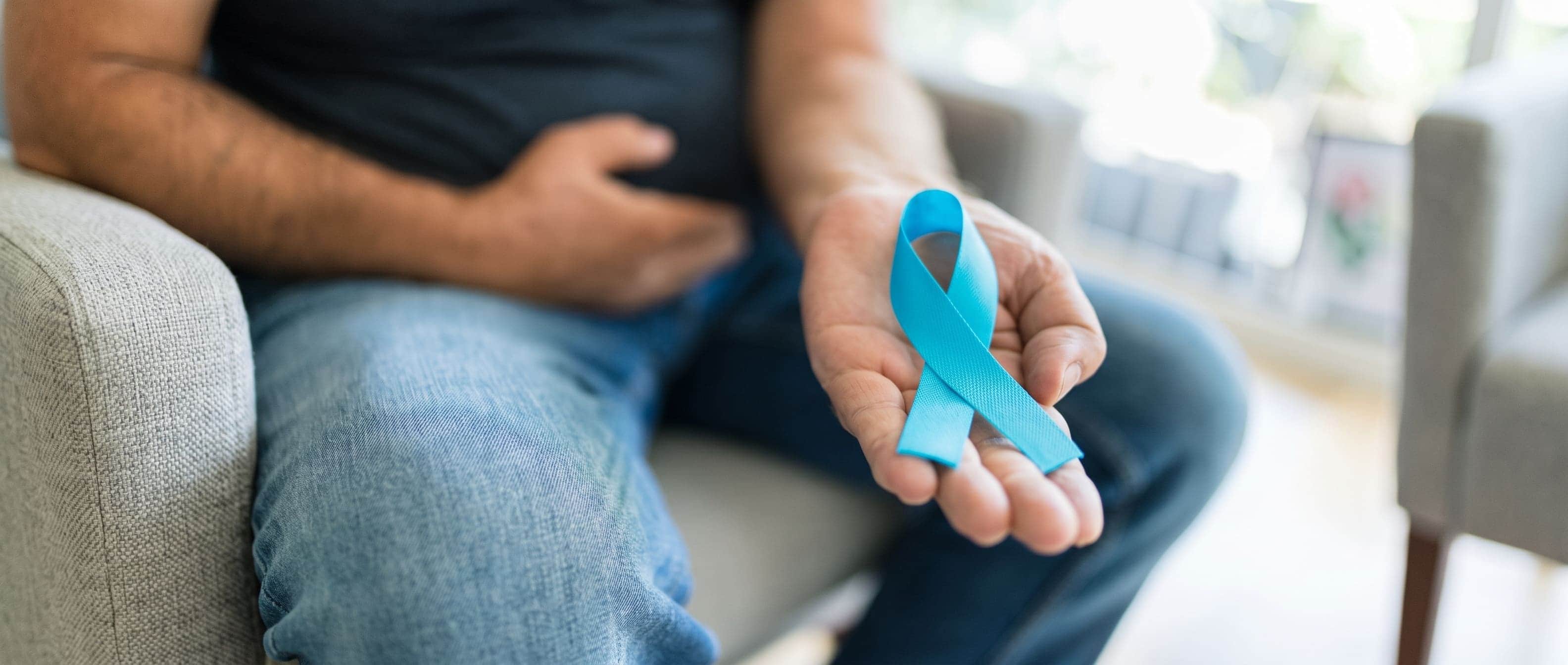
What is Prostate Cancer?Prostate cancer is a condition where cells in the prostate gland—a small, walnut-sized organ found only in men—begin to grow uncontrollably. The prostate gland is located just below the bladder and in front of the rectum, and its primary job is to produce seminal fluid, which nourishes and transports sperm.Because the prostate is located near the urinary tract, prostate cancer can often affect a man’s ability to urinate as the tumor grows and puts pressure on the urethra.What are the Signs and Symptoms of Prostate Cancer?It is important to note that prostate cancer often shows no symptoms in its early stages. Many men are only alerted to the condition through routine screening. As the cancer advances, potential symptoms may include:Difficulty urinating or a weak urine stream.Increased frequency of urination, especially at night.Blood in the urine or semen.Erectile dysfunction.Discomfort or pain in the pelvic area.Note: These symptoms can also be caused by non-cancerous conditions, such as an enlarged prostate (BPH). Only a medical professional can provide a diagnosis.Diagnosis and ScreeningBecause early-stage prostate cancer often presents no symptoms, routine screening is vital for early detection. The standard diagnostic path usually includes:PSA Test: A simple blood test that measures Prostate-Specific Antigen (PSA) levels.Digital Rectal Exam (DRE): A physical exam where a doctor checks the prostate for abnormalities.Biopsy: If screening results are abnormal, a biopsy—where a small sample of prostate tissue is collected for testing—is the definitive way to confirm a diagnosis.How Is Prostate Cancer Treated? Treatment plans are highly personalized depending on the stage of the cancer, the patient's age, and overall health. Modern treatment modalities—many of which are available at specialized facilities like the Asian Cancer Institute—include:Active Surveillance: For slow-growing, low-risk cancers, doctors may recommend monitoring the condition closely rather than immediate intervention.Surgical Oncology: Procedures such as prostatectomy (removal of the prostate) to surgically eliminate the cancer.Radiation Therapy: High-energy beams (including precision techniques like Brachytherapy or CyberKnife) are used to target and kill cancer cells.Hormone Therapy: Medications designed to stop the body from producing testosterone, which can fuel the growth of prostate cancer cells.Your Partner in Prostate HealthProstate cancer is a diagnosis that requires precision, expertise, and a deeply personalized plan of care. At the Asian Cancer Institute, our multidisciplinary team of urological oncologists, radiation therapists, and medical specialists are dedicated to guiding you through every stage of this journey. Whether you are seeking routine screening or advanced treatment options, our facility offers the latest in diagnostic technology and therapeutic care to ensure the best possible outcomes for your long-term health. Don’t wait—take control of your health today by scheduling a consultation with our experts at the Asian Cancer Institute.
Read More