










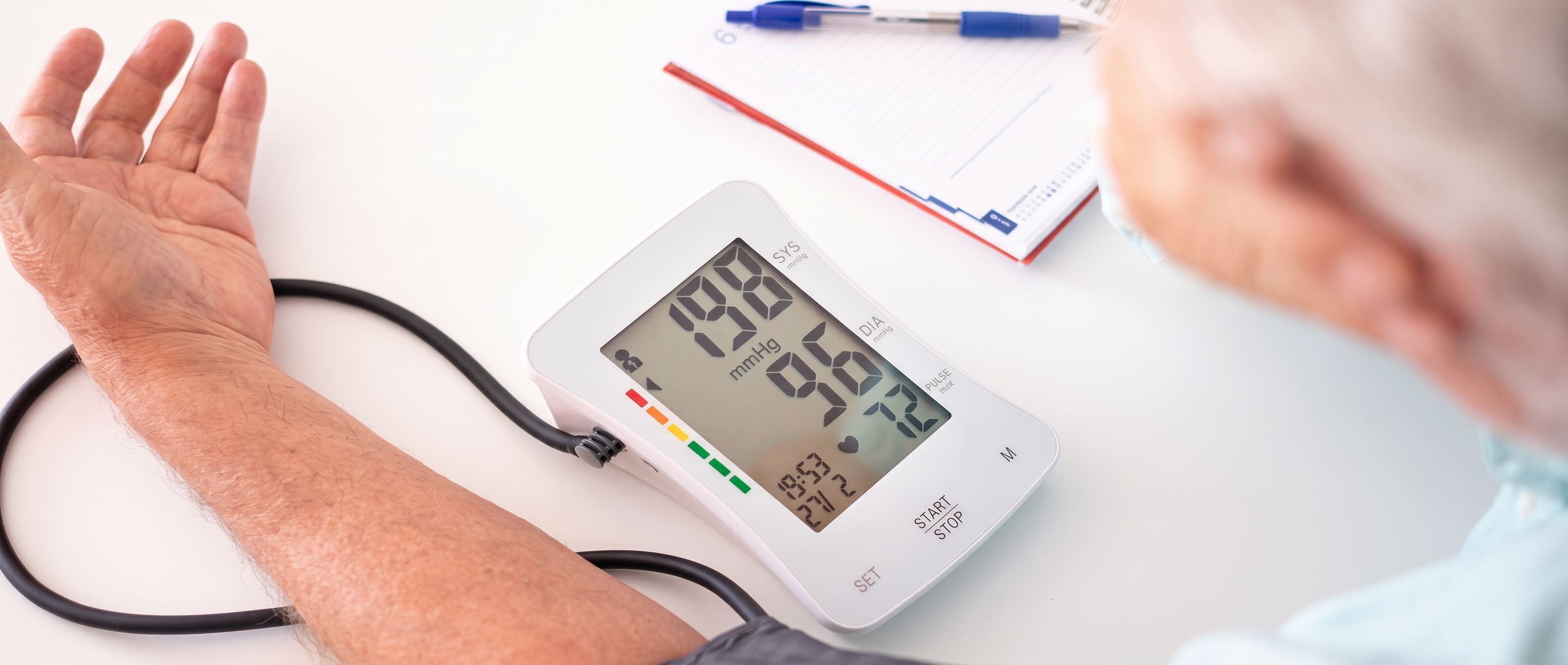






High blood pressure (hypertension) is often called the "silent killer" because it usually has no symptoms but can quietly damage the heart, brain, kidneys, and blood vessels over time. While many people can manage their blood pressure with lifestyle changes and medications, some continue to have elevated readings despite taking several prescribed medicines.
At the Asian Cardiovascular Institute (ACVI) of Asian Hospital and Medical Center, our Cardiac Catheterization Laboratory now offers Renal Denervation (RDN)—an advanced, minimally invasive procedure that helps lower blood pressure by targeting overactive nerves connected to the kidneys.
Renal Denervation is a catheter-based procedure designed to help lower blood pressure in adults with hypertension.
During the procedure, a specially designed catheter is inserted through a blood vessel, usually in the groin, and guided to the arteries supplying the kidneys. Controlled energy is then delivered to reduce the activity of the sympathetic nerves surrounding these arteries.
These nerves can become overactive and contribute to persistently high blood pressure by causing the body to:
Tighten blood vessels
Retain excess salt and water
Increase stress hormone activity
By reducing this nerve activity, Renal Denervation helps support long-term blood pressure control.
Your cardiologist may recommend Renal Denervation if you:
Have high blood pressure that remains elevated despite taking multiple medications
Have difficulty maintaining blood pressure goals
Cannot tolerate certain blood pressure medications because of side effects
Want an additional treatment option alongside healthy lifestyle changes and medication
Are considered an appropriate candidate after a comprehensive cardiovascular evaluation
Not every patient with hypertension needs Renal Denervation. A thorough assessment by our cardiovascular specialists is necessary to determine if this treatment is right for you.
Many people with hypertension feel perfectly well, but uncontrolled blood pressure may increase the risk of serious complications.
Consult your doctor if you experience:
Blood pressure consistently above your target range
Frequent headaches
Dizziness
Blurred vision
Shortness of breath
Chest discomfort
Repeated high blood pressure readings despite treatment
Even without symptoms, uncontrolled hypertension should never be ignored.
Renal Denervation is performed inside the Cardiac Catheterization Laboratory using minimally invasive techniques.
Step 1: Preparation
You will receive local anesthesia and medications to help you stay comfortable.
Step 2: Catheter Insertion
A small catheter is inserted through an artery in the groin and carefully guided to the renal arteries.
Step 3: Renal Denervation
The catheter delivers controlled energy to reduce the activity of the nerves surrounding the renal arteries.
Step 4: Recovery
The catheter is removed, and patients are monitored before going home. Many patients are discharged within a day, depending on their overall condition.
Renal Denervation offers several potential advantages:
Helps lower blood pressure over time
Minimally invasive procedure
No permanent implant left inside the body
Can complement blood pressure medications—not necessarily replace them
May help reduce long-term cardiovascular risk associated with uncontrolled hypertension
Short recovery period for most patients
Treatment plans remain individualized, and patients should continue regular follow-up with their healthcare provider.
Renal Denervation has been evaluated in multiple international clinical studies and has demonstrated a favorable safety profile in appropriately selected patients. Like any medical procedure, it carries potential risks, which your cardiologist will discuss before treatment.
Patient selection and expert procedural technique are essential for achieving the best possible outcomes.
The Asian Cardiovascular Institute provides comprehensive, patient-centered cardiovascular care using advanced diagnostic and interventional technologies.
Our Cardiac Catheterization Laboratory is equipped to perform a wide range of minimally invasive heart and vascular procedures, supported by experienced interventional cardiologists, skilled nurses, and dedicated cardiovascular specialists.
When you choose ACVI, you benefit from:
Experienced cardiovascular specialists
State-of-the-art Cardiac Catheterization Laboratory
Advanced minimally invasive treatment options
Comprehensive hypertension evaluation
Personalized treatment plans
Seamless coordination with other medical specialties when needed
Will I stop taking my blood pressure medicines after Renal Denervation?
Not necessarily. Many patients continue taking medications, although treatment may be adjusted by their physician based on blood pressure response.
How long does the procedure take?
The procedure typically takes about one hour, although total hospital stay may vary depending on individual circumstances.
Will I feel the treatment?
The procedure is performed with local anesthesia and medications for comfort. Your care team will monitor you closely throughout.
Is Renal Denervation a cure for hypertension?
No. Renal Denervation is not considered a cure, but it is an additional treatment option that can help lower blood pressure as part of a comprehensive hypertension management plan that includes healthy lifestyle choices and ongoing medical care.
If your blood pressure remains high despite medications and lifestyle changes, it may be time to explore other treatment options.
The specialists at the Asian Cardiovascular Institute can evaluate your condition and determine whether Renal Denervation is an appropriate option for you.
Schedule a consultation today and learn how advanced, minimally invasive cardiovascular care can help you achieve better blood pressure control and protect your heart, brain, and kidneys for years to come.


