






What is Osteoporosis?
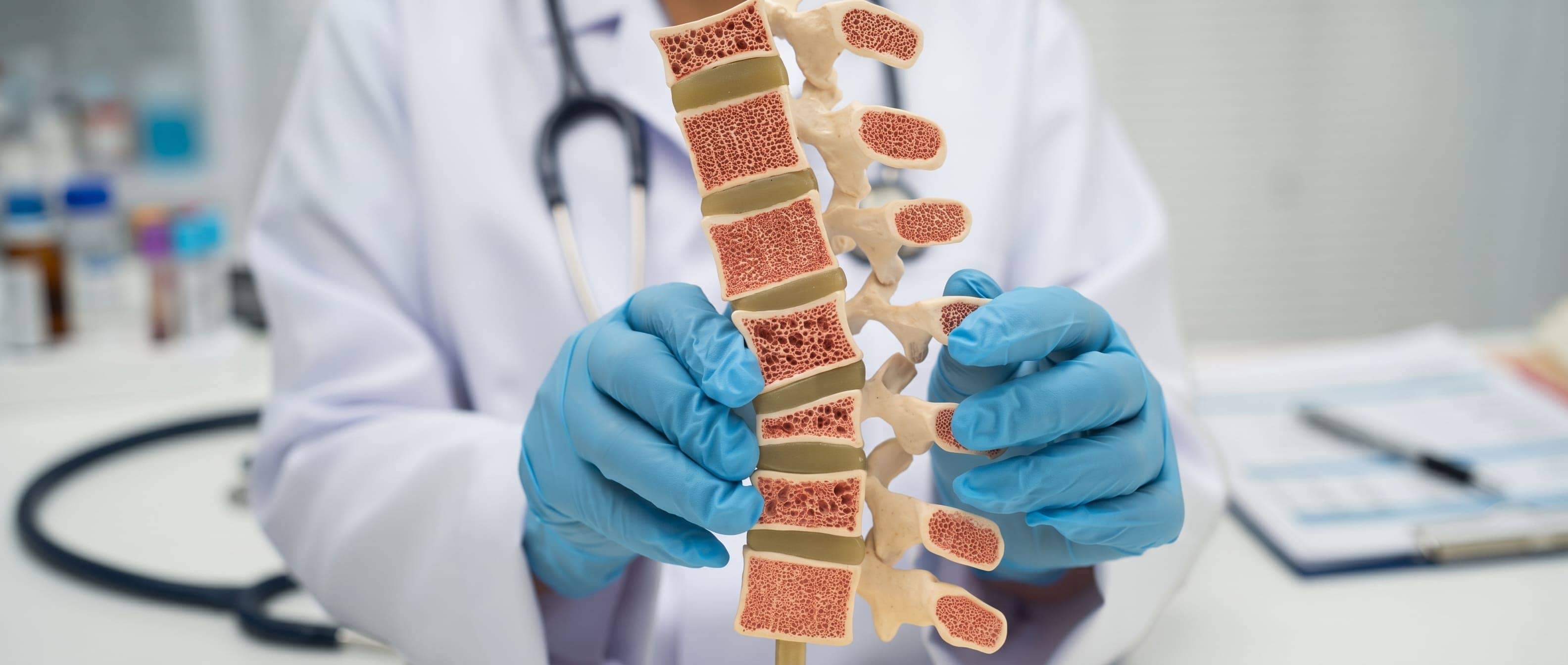
Osteoporosis literally means "porous bone." It is a medical condition where bones become weak, brittle, and less dense, significantly increasing the risk of sudden and unexpected fractures.
Inside a healthy bone, the internal structure looks a bit like a sponge or a honeycomb. When osteoporosis occurs, the "holes" in this honeycomb grow much larger, reducing the bone's overall density and structural integrity.

What are the signs and symptoms of Osteoporosis?
Osteoporosis is also known as a "Silent Disease". This is because bone loss happens invisibly over time, you cannot "feel" your bones getting weaker. Many people do not realize they have osteoporosis until a minor fall, a bump, or even a sudden sneeze causes a fracture — most commonly in the hip, wrist, or spine.
However, once bones have been significantly weakened by osteoporosis, the following signs and symptoms may occur:
Easily fractured bones: This is often the first and most common sign. A fracture can occur from a very minor fall from a standing height, bumping into furniture, or even from everyday movements like bending, lifting, or coughing.
Back pain: This is frequently caused by a fractured or collapsed vertebra in the spine. The pain can be sharp, sudden, and localized to the middle or lower back.
Loss of height over time: The gradual collapse and compression of the spinal bones (vertebrae) can cause a person to become noticeably shorter, sometimes losing an inch or more in height.
A stooped or hunched posture: As the weakened vertebrae in the upper spine collapse, it can cause the spine to curve forward. This results in a stooped posture or a hunched upper back (medically known as kyphosis).
Are there any tests that can help detect osteoporosis?
A Bone Mineral Density (BMD) test aids in the early detection of osteoporosis by serving as an invisible early-warning system that measures how tightly packed your bone minerals are long before any physical symptoms or fractures occur.
We also have the Fracture Liaison Service (FLS) at the Asian Hospital and Medical Center. It is a program designed to detect early signs of bone loss (osteoporosis) and prevent future fragility fractures in patients, particularly those over 50 years old. The FLS integrates bone risk assessments, Bone Mineral Density (BMD) testing, and medical interventions to protect your mobility and long-term bone health.
What can I do to prevent Osteoporosis
Preventing osteoporosis involves building strong, dense bones during your youth and minimizing bone loss as you age. Because bone health is a lifelong process, adopting proactive habits early or adjusting now can significantly lower your risk of fractures later in life. Lifestyle adjustments may include:
Optimizing Your Nutrition
Get enough calcium: Calcium is the primary building block for strong bones. Incorporate dairy products, dark leafy greens (like malunggay or kale), sardines, and calcium-fortified foods into your daily meals.
Boost your Vitamin D: Your body needs Vitamin D to effectively absorb calcium. Safe, moderate sun exposure and foods like fatty fish, egg yolks, and fortified products help maintain adequate levels. If necessary, a doctor can check your blood levels to see if a supplement is needed.
Ensure adequate protein: Protein is a fundamental component of bone tissue. Lean meats, fish, beans, and legumes support overall bone strength and muscle mass.
Engage in Regular Exercise - Bones grow stronger when forced to work against resistance and gravity. A well-rounded routine includes:
Boost your Vitamin D: Your body needs Vitamin D to effectively absorb calcium. Safe, moderate sun exposure and foods like fatty fish, egg yolks, and fortified products help maintain adequate levels. If necessary, a doctor can check your blood levels to see if a supplement is needed.
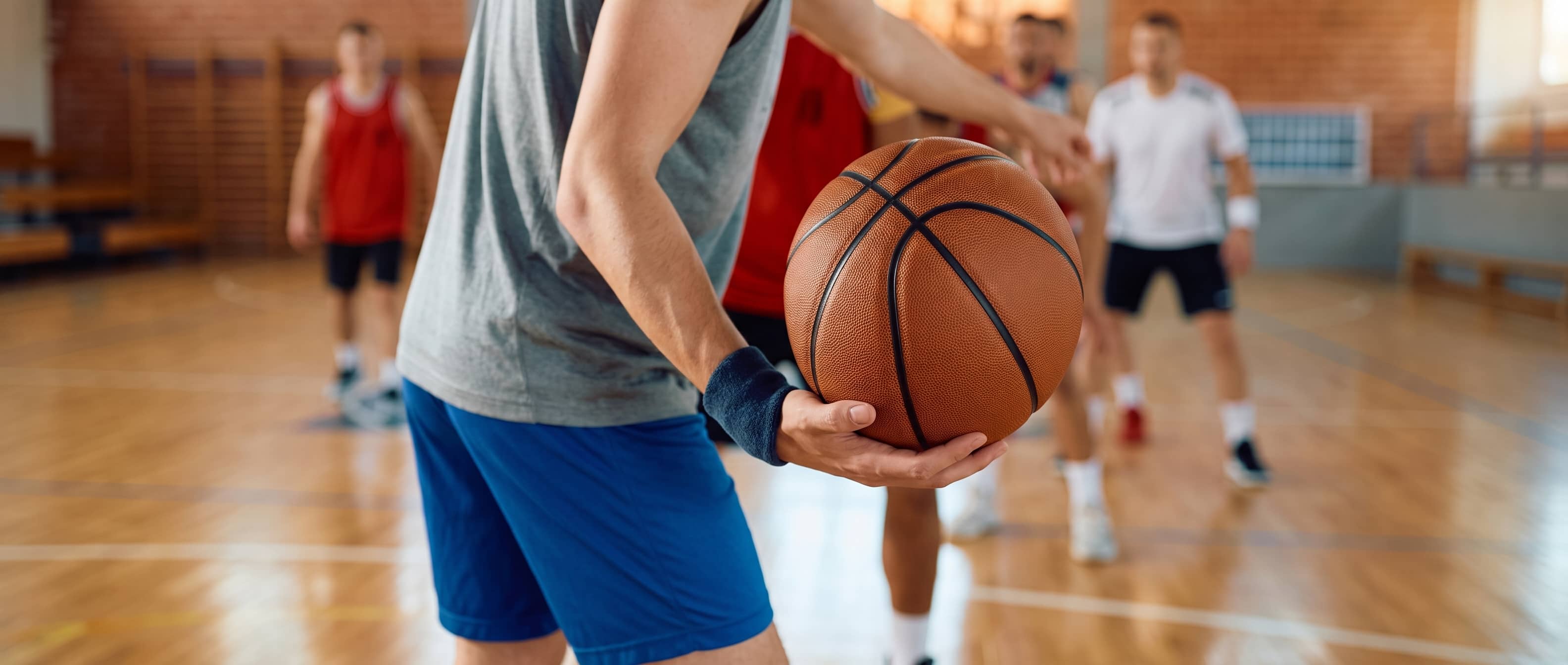
Weight-bearing aerobic exercises: Activities like walking, jogging, dancing, and stair climbing force your legs and lower spine to carry your body weight, stimulating bone formation.
Resistance training: Lifting weights, using resistance bands, or doing bodyweight exercises (like push-ups and squats) pulls on the bones, encouraging them to build extra density.
Balance and flexibility exercises: Practices like yoga, tai chi, or targeted stability training improve coordination and posture, drastically reducing your risk of accidental falls.
Adopt Bone-Healthy Lifestyle Habits
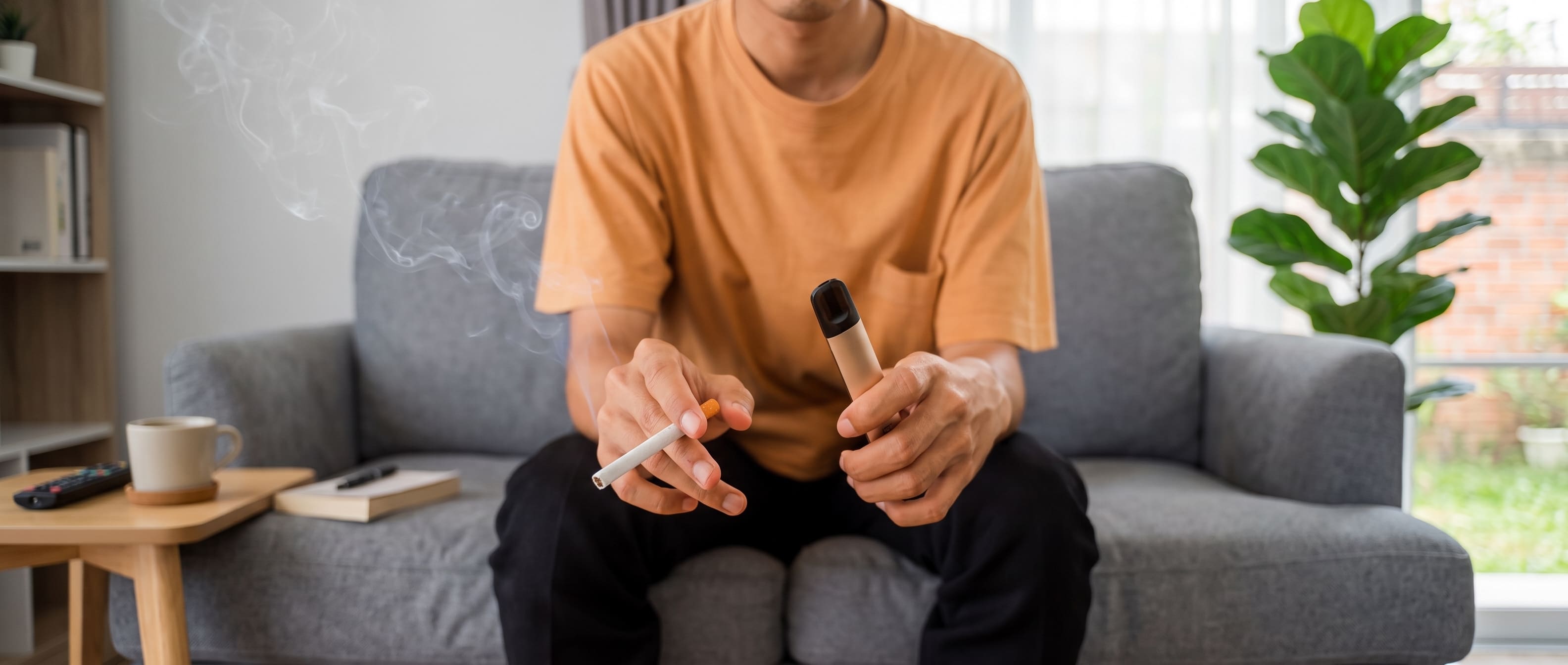
Avoid smoking: Tobacco use significantly accelerates bone loss and lowers calcium absorption in the body.
Limit alcohol consumption: Heavy drinking interferes with the body's ability to absorb calcium and disrupts the normal bone-rebuilding process. Keep alcohol intake moderate.
Manage caffeine and sodium: Excessive intake of caffeine and very salty foods can cause your body to excrete more calcium, potentially weakening bones over time.
Know Your Risk and Get Screened
Review your medications: Certain long-term medications—such as oral corticosteroids (like prednisone)—can weaken bones. Talk to your doctor if you take these regularly.
Get evaluated early: If you have a family history of osteoporosis, went through early menopause, or have other risk factors, talk to your doctor about assessing your bone density with a Bone Mineral Density (BMD) test to catch any silent bone loss before a fracture occurs.
Asian Orthopedic and Musculoskeletal Institute
At the Asian Orthopedic and Musculoskeletal Institute (AOMI) of Asian Hospital and Medical Center, we believe that protecting your mobility starts long before an injury happens. Rather than waiting to treat an acute fracture, our multidisciplinary team is dedicated to proactive clinical screening and comprehensive, long-term disease management. Whether you are establishing a baseline with a Bone Mineral Density (BMD) test or navigating recovery through our dedicated Fracture Liaison Service (FLS), AOMI provides the expert, personalized care you need to safeguard your skeletal health, prevent future injuries, and maintain a strong, independent lifestyle for years to come.


