














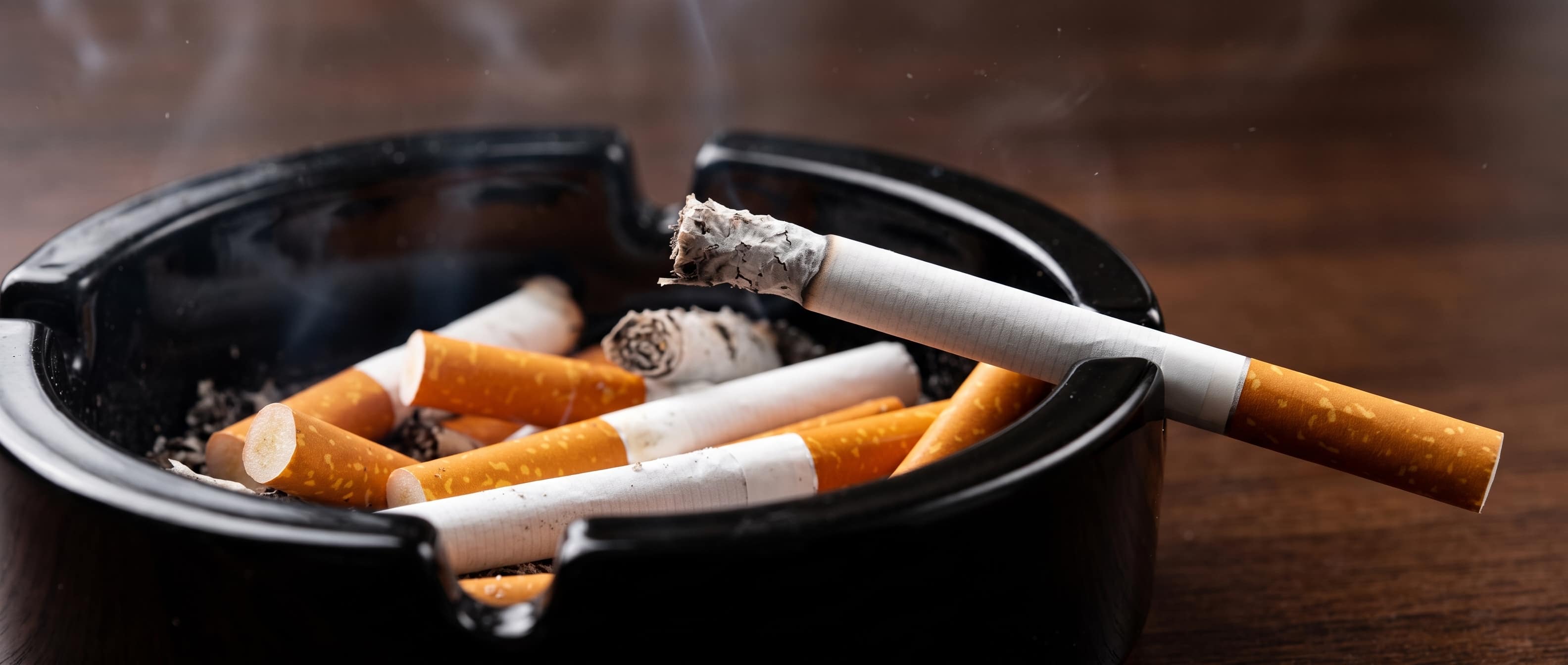



Quitting smoking is universally difficult due to the highly addictive nature of nicotine, but Filipino smokers face a unique intersection of deep-rooted cultural habits, environmental triggers, and systemic barriers that make breaking the cycle particularly tough.
At its core, the difficulty of quitting is biological. Cigarettes are engineered to rapidly deliver nicotine to the brain, triggering a release of dopamine (the "feel-good" hormone).
Brain Adaptation: Over time, the brain requires nicotine just to maintain a normal baseline.
Severe Withdrawal: When a person tries to stop, the sudden absence of nicotine causes the body to panic. This leads to intense withdrawal symptoms within hours, including headaches, restlessness, severe anxiety, irritability, and trouble sleeping. To immediately relieve this physical discomfort, many simply light up again.
Filipino Cultural Routines and Social Triggers that makes it hard to quit
In the Philippines, smoking is rarely just a chemical habit; it is deeply woven into daily life and social interaction.
The "Ritual" Smoke: Many Filipino smokers tightly associate cigarettes with specific daily routines. It is frequently used as a way to "complete" the day, paired with a morning coffee, or used right after a meal under the misconception that it aids digestion.
Social Normalization and Peer Pressure: Smoking often serves as a social lubricant. Among young Filipinos, studies indicate a persistent belief that smoking makes a person more socially accepted or attractive. Turning down a cigarette in a social setting or during a work break can feel isolating.
Household Exposure: A significant barrier to quitting is the home environment. With more than half of Filipino households lacking strict smoke-free rules, those trying to quit are constantly exposed to second-hand smoke and the sight of family members smoking, creating relentless psychological triggers.
What Should I Do If I Really Want To Quit?
Taking the first step to quit smoking is a profound commitment to your long-term health, and while sheer willpower is a commendable starting point, it is rarely sustainable on its own. Nicotine addiction is a complex physical dependency, and unpredictable external factors—such as sudden stress, social pressure, or ingrained daily routines—can quickly erode even the strongest motivation.
The most effective approach is to seek professional medical intervention through specialized programs, such as the Smoking Cessation Facility at Asian Hospital and Medical Center. A clinically guided approach provides a much more sustainable path to recovery because it transitions the burden from isolated willpower to structured medical support. This specialized care gives you access to evidence-based interventions, including tailored nicotine replacement therapies, personalized behavioral counseling to manage specific lifestyle triggers, and physician-monitored care to safely and comfortably navigate withdrawal symptoms.
Quitting is not a test of personal strength; it is a medical journey that deserves comprehensive, compassionate care. Remember that you do not have to fight this dependency alone, and seeking clinical support is a powerful declaration of dedication to your well-being. By partnering with dedicated healthcare professionals, you equip yourself with the exact medical tools and continuous encouragement needed to break the cycle for good and finally reclaim a healthier, smoke-free life.


