
















Is Vaping Safer Than Smoking? The Hidden Health Risks of E-Cigarettes
Many people switch from traditional smoking to vaping with the hope of making a healthier choice. It is widely advertised as the cleaner, smokeless option. However, swapping one habit for another introduces a new set of health risks that are often misunderstood.
Your lungs cannot send you a warning text when things start going wrong. That is exactly why it is important to listen to your body and take action before symptoms ever appear.
Is vaping actually safer than smoking?
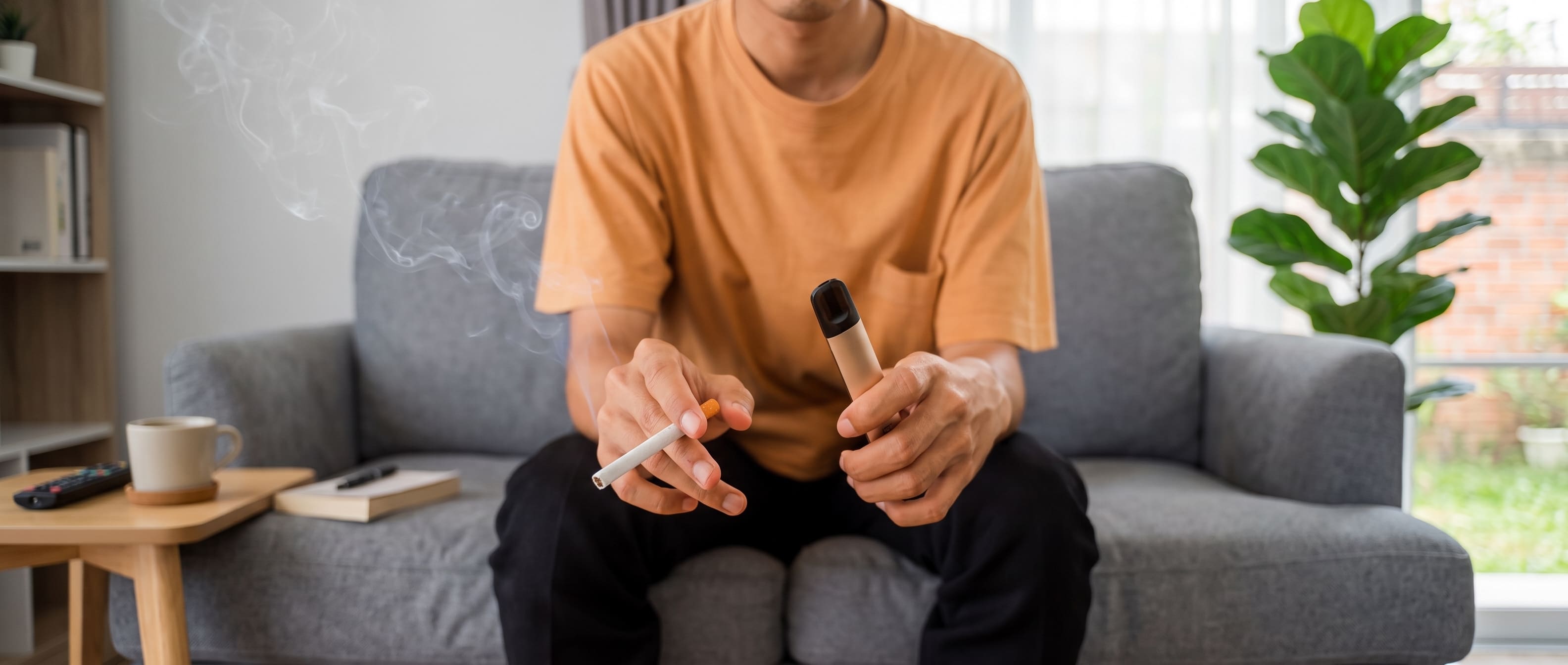
Vaping exposes you to fewer toxic chemicals than traditional combustible cigarettes, which contain dozens of known cancer-causing agents. Because of this, it is sometimes viewed as a less harmful alternative for current smokers. However, "less harmful" does not mean safe. Vaping still introduces foreign, irritating substances into your respiratory system and carries significant risks of its own, including severe lung inflammation and cardiovascular strain.
What exactly am I inhaling when I vape?
Many people mistakenly believe vapes produce harmless water vapor. In reality, the device heats a liquid into an aerosol mist. This liquid typically contains:
Nicotine: The highly addictive chemical found in tobacco.
Flavorings: It is mistakenly believed that natural flavorings does no harm. However, it is best to know that these chemicals may be safe to eat, but are not necessarily safe to inhale into your lungs.
Propylene glycol and glycerin: Solvents used to create the visible mist.
Volatile organic compounds: Heavy metals and tiny particles that can embed deep within lung tissue
Can electronic cigarettes cause permanent lung damage?
Yes. The fine particles and flavoring chemicals inhaled during vaping cause intense swelling and irritation. Over time, this constant disruption can lead to permanent scarring and narrowing of the airways. In severe cases, users have developed a life-threatening condition called EVALI (e-cigarette or vaping use-associated lung injury), which causes widespread lung damage and requires emergency medical care.
How does nicotine affect me without the tobacco smoke?
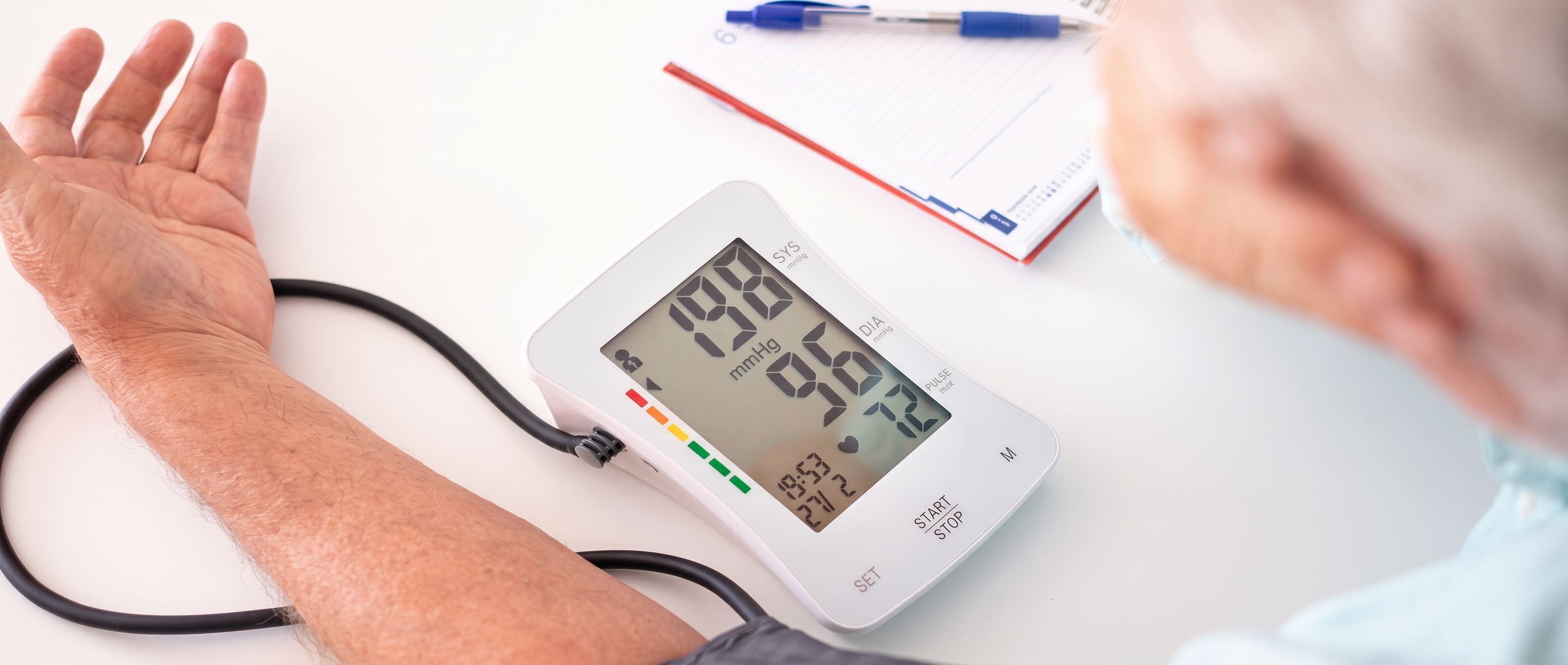
Even without burning tobacco, nicotine remains a highly toxic substance. It is a potent stimulant that forces your heart to work harder by raising your blood pressure and spiking your adrenaline. Furthermore, nicotine physically alters the brain's reward pathways, creating a powerful addiction that can cause anxiety, mood swings, and severe cravings when you try to stop.
Is vaping a reliable way to quit smoking?
While some adults have successfully used vapes to transition away from traditional cigarettes, they are not officially approved as smoking cessation tools by major health organizations. The biggest danger is becoming a "dual user"—someone who smokes cigarettes sometimes and vapes at other times. This practice actually increases your total exposure to toxins. For those looking to quit entirely, medically approved therapies such as smoking cessation programs remains to be the safest, most effective route.
Smoking Cessation Program at Asian Hospital and Medical Center
Quitting smoking or vaping is one of the most challenging but rewarding choices you can make for your body. Because severe respiratory and cardiovascular damage often develops silently, prioritizing early detection and professional support is vital.
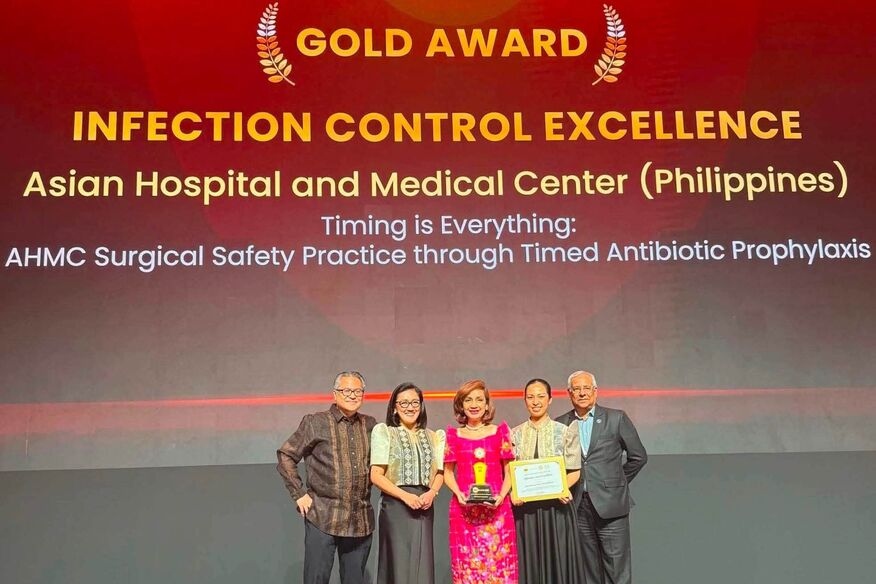
The journey to a smoke-free future does not have to be taken alone. Asian Hospital and Medical Center offers a dedicated Smoking Cessation Program designed to help patients safely and effectively break free from nicotine addiction.
The Smoking Cessation Program offers:
Personalized Action Plans: Medical professionals help you create a step-by-step strategy tailored to your specific habits, triggers, and level of nicotine dependence.
Medical Support: Access to safe, medically approved therapies that manage withdrawal symptoms and cravings far more effectively than switching to a vape.
Ongoing Monitoring: Regular check-ins and screenings to track your lung health recovery and manage any underlying damage before it becomes severe.
If you are ready to take the first step toward a healthier, smoke-free life, professional guidance is your strongest tool.
For inquiries about the Smoking Cessation Program or to set up an appointment, contact the Asian Hospital Infohub at (02) 8771-9000 local 5193 or email Infohub@asianhospital.com.


