Aesthetix Asian: Expertise, Excellence, and Comprehensive Care The aesthetic medicine and cosmetic surgery center of Asian Hospital and Medical Center was created to deliver a comp...
The Arthritis and Joint Replacement Center is a state-of-the-art facility dedicated to the comprehensive diagnosis, treatment, and rehabilitation of patients with arthritis and joi...
Asian Hospital and Medical Center's Asian Brain Institute is a specialized neuroscience center dedicated to promoting optimal brain health through the timely delivery of state-ot-t...
Service InformationPerforming Unit: Center for Physical and Rehabilitation Medicine Contact Number of Unit: (02) 8771-9000 local 5913 Operating Hours of Performing Unit: Main Rehab...
C/S Catheter tip [Culture and Sensitivity - Other Specimen without Anaerobic (CSO)]
This test aids in isolation and correct identification of respiratory pathogens. It is important in the diagnosis and management of infected patients. Respiratory samples are proce...
C/S Fluid/Wash/Drain (Specify) Culture and Sensitivity - Body Fluids (CSB)
Body fluids are generally defined as the fluids that are present within the body of a person. The role of the test is to help detect, isolate, identify any other pathogenic microor...
Cardiac Rehab Inpatient Package 8 Session Package B
Performing Unit | Asian Institute of Respirology Operating Hours | 8:00 AM - 5:00 PM Monday-Saturday Discount Eligibility | Yes Doctor's Request Requirement | No Admission Type | O...
Performing Unit | Asian Institute of Respirology Operating Hours | 8:00 AM - 5:00 PM Monday-Saturday Discount Eligibility | Yes Doctor's Request Requirement | No Admission Type | O...
Performing Unit | Asian Institute of Respirology Operating Hours | 8:00 AM - 5:00 PM Monday-Saturday Discount Eligibility | Yes Doctor's Request Requirement | No Admission Type | O...
Experience a higher standard of healthcare with the Premium Wellness Card. Designed for individuals who value convenience and VIP treatment, this card upgrades your medical journey with executive screenings, substantial...
The Basic Wellness Card is your essential companion for routine health tracking and hospital perks, offering foundational medical screenings and exclusive discounts to help you stay on top of your health efficiently.Incl...
Designed specifically to support the health and vitality of older adults, the Senior Wellness Card offers specialized medical evaluations and engaging social activities to promote a healthier, more fulfilling lifestyle.I...
Our Ate Rose® Card Heart Screening Package is designed to help individuals detect the presence of atherosclerosis early and take proactive steps toward better heart health. Cardholders also enjoy up to a 10% discount on...
Josephine Castaneda (Severe Degenerative Joint Disease, Right & Left)
When people started to notice that Josephine Castaneda’s walk was strange, and her knees’ shape had already become irregular, along with unbearable pain, she consulted with Orthope...
Being forgetful, not being able to take her own medicines, and confusion—these are just some of the symptoms Ms. Evelyn Santos’s family noticed when her Alzheimer’s disease started...
Ma. Elena Perpetua Lagman (Malignant Neoplasm – Breast)
“I would get back to getting healthier,” this is the testimonial from our Malignant Neoplasm Breast Cancer patient, Ma. Elena Perpetua Lagman. When the test results came in after h...
The sudden, persistent pain he felt in his chest after playing badminton made Mr. Ananias Lugo, Jr. rush to Asian Hospital. The tests revealed that there was a blockage in his arte...
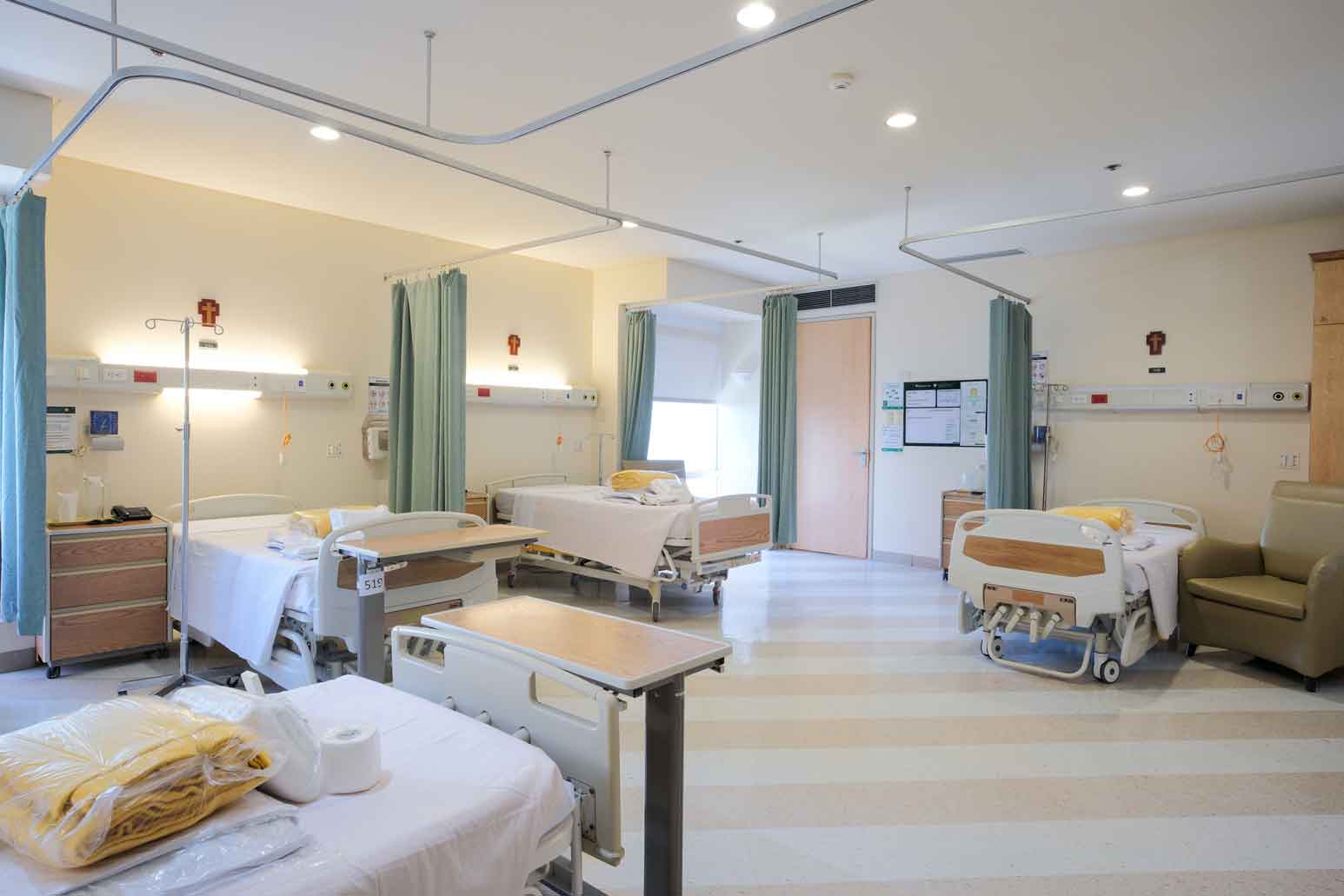
A shared room designed to accommodate four patients, with each bed separated by curtains for personal space and privacy. Patients have their own bed, bedside cabinet, and access to...
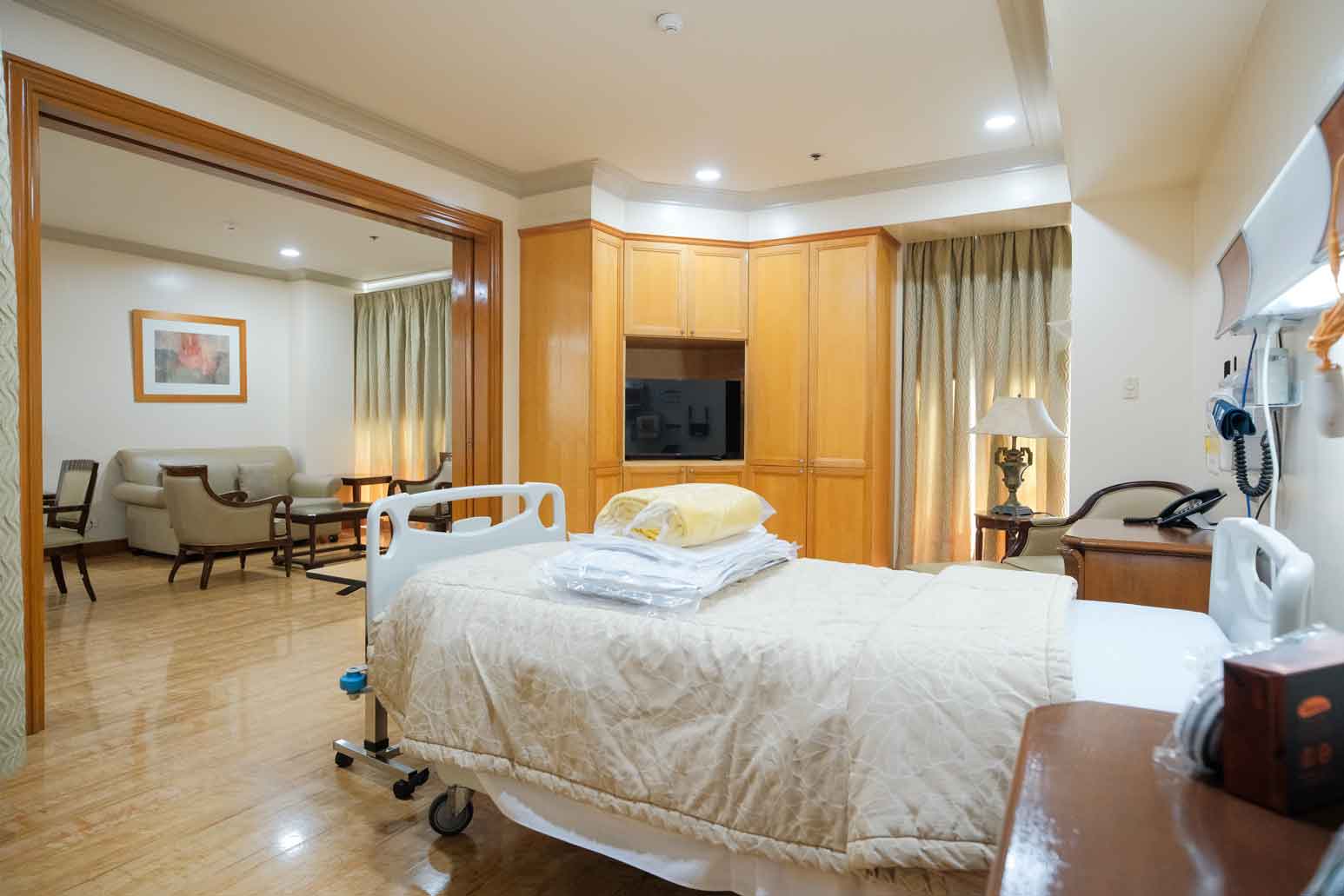
A spacious, high-end private room designed to provide a luxury, hotel-like experience alongside full medical care. It typically features a separate bedroom and living area, premium...
A well-appointed private room that offers more space and upgraded comfort compared to standard rooms. It includes a patient bed, a small seating area for visitors, and essential am...
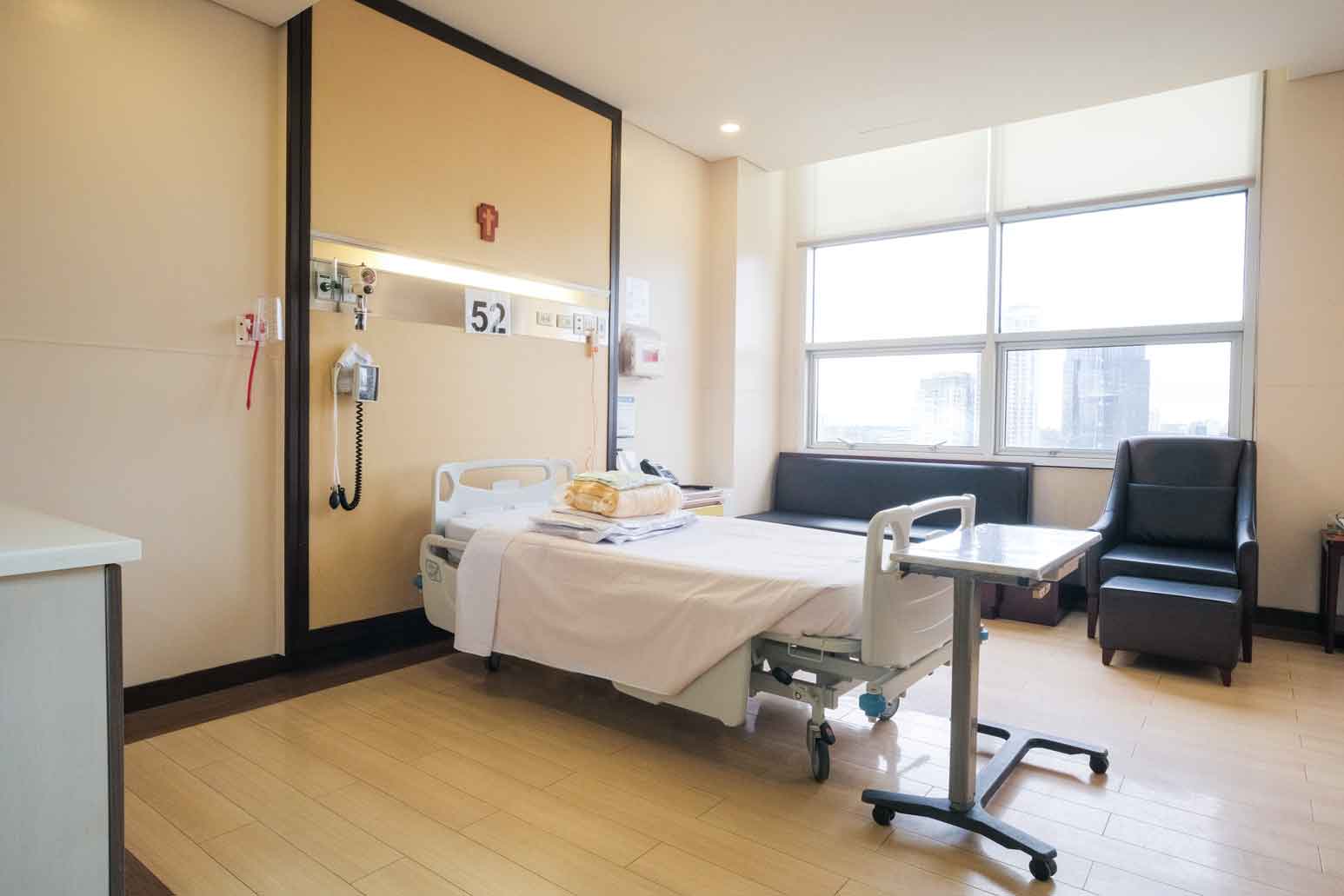
A spacious, upgraded private room with large windows that provide natural light and views of the surrounding cityscape. It includes a comfortable patient bed, a small visitor seati...
Oversees the daily operations of the hospital’s patient admission and registration unit, ensuring accurate patient registration, timely admissions, proper documentation, and excell...
Tasked to manage, develop, implement, lead and monitor policies, procedures, programs and training activities with regards to Occupational Safety and Health (OSH) administration. T...
Perform an audit of the operations and records of the Asian Hospital and Medical Center (AHMC). Audits, characterized as performance, economy and efficiency, financial, compliance,...
Ensures the safe, effective, and accurate use of medications within the hospital setting. This role encompasses the storage, transcription, preparation, compounding (sterile and no...
The Department of Anesthesiology is an integral part of Asian Hospital and Medical Center. The department provides comprehensive anesthesia services in the Main and Out-Patient ope...
The Department of Dental Medicine at Asian Hospital and Medical Center, Inc. is composed of highly respected and extensibly educated members of the Dental profession. The various D...
MISSIONThe mission of the Department of Dermatology is to provide comprehensive, evidence-based dermatological care to all patients in General medical dermatology Laser and light t...
The Emergency Department is a 35-bed facility that provides 24/7 professional medical care to all patients regardless of age, gender, ethnicity, religion, and social status. Board...
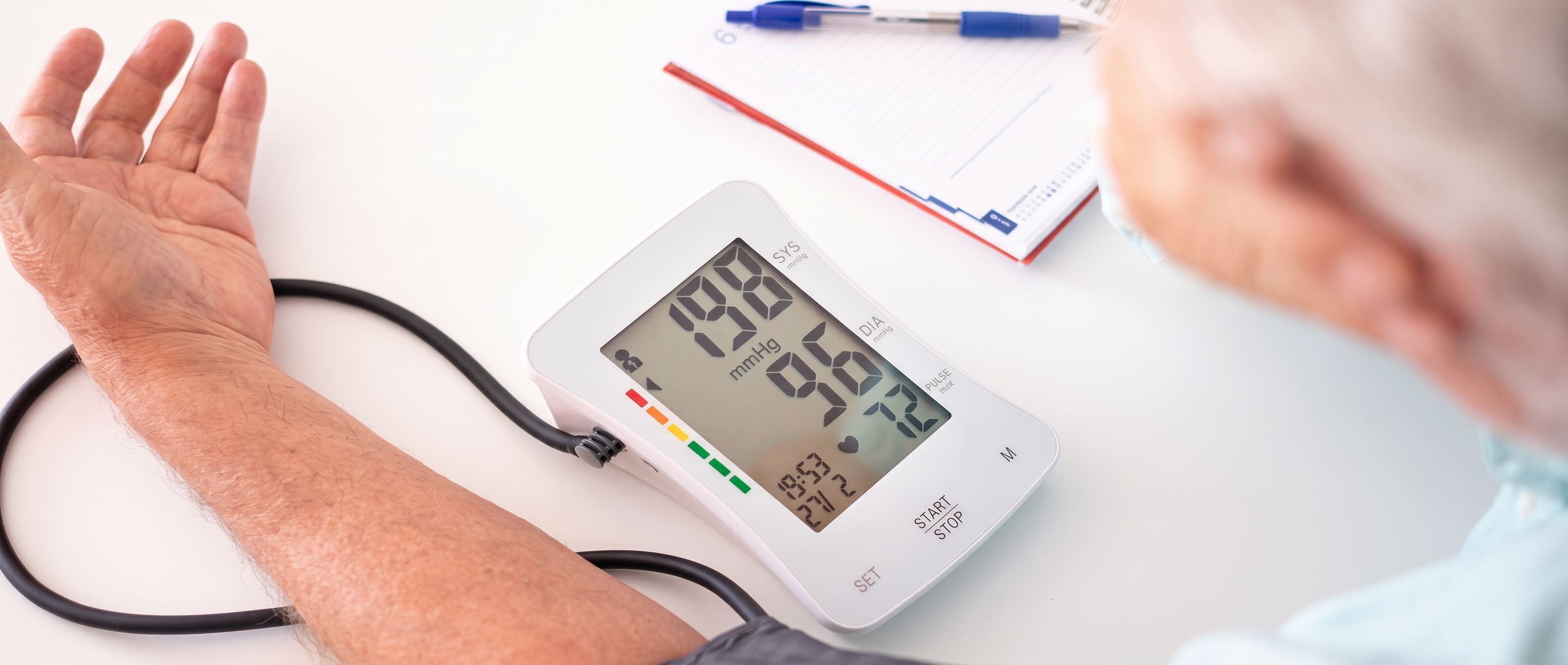
What is Hypertension (High Blood Pressure)?Hypertension, or commonly known as high blood pressure, is a common condition affecting millions of adults worldwide. It happens when the...
The Unseen Advantage: Proactive Care for Your Athlete
The Unseen Advantage: Proactive Care for Your AthleteWatching your child step out to compete, you know exactly how much heart they’ve poured into getting ready. But while the coach...
Is Vaping Safer Than Smoking? The Hidden Health Risks of E-Cigarettes
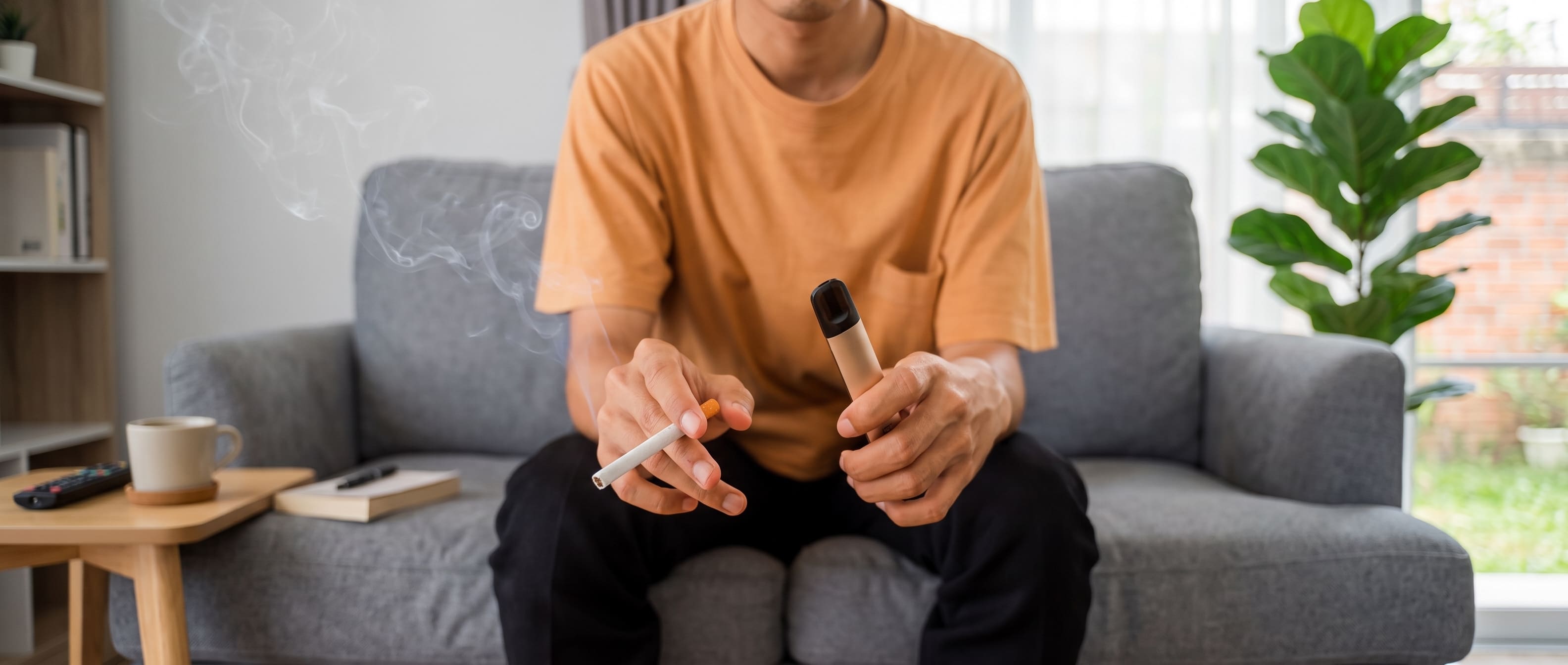
Is Vaping Safer Than Smoking? The Hidden Health Risks of E-CigarettesMany people switch from traditional smoking to vaping with the hope of making a healthier choice. It is widely...
Quitting smoking is universally difficult due to the highly addictive nature of nicotine, but Filipino smokers face a unique intersection of deep-rooted cultural habits, environmen...
Asian Hospital Opens 17th Postgraduate Course on Internal Medicine in the Digital Era
Asian Hospital and Medical Center, through its Department of Internal Medicine, opened its 17th Postgraduate Course, themed “Beyond the Present: Redefining the Holistic Internist i...
Internal Medicine Postgraduate Course Advances Knowledge and Patient Care
The Day 2 of the Internal Medicine Postgraduate Course brought together medical experts and healthcare professionals at Acacia Hotel Manila for another day of learning, collaborati...
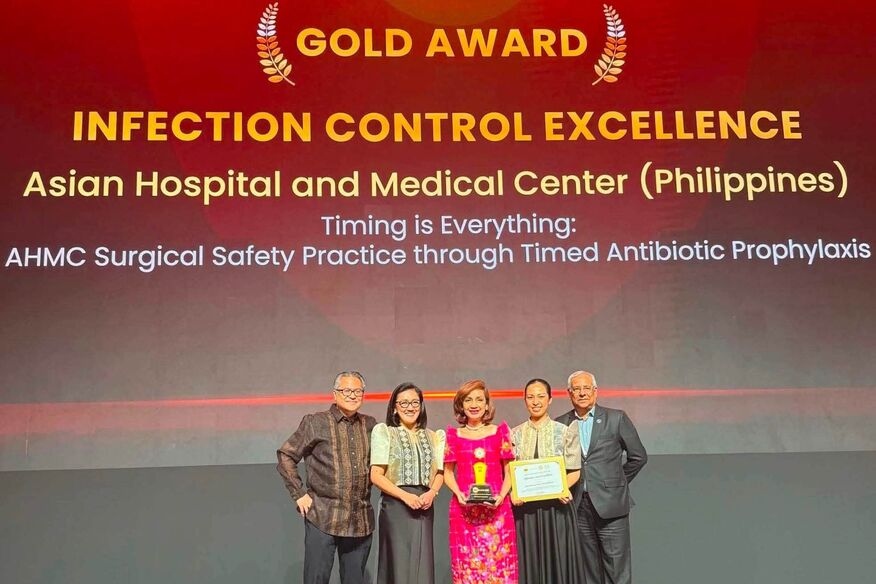
Asian Hospital Wins Gold at 2026 Hospital Management Asia Awards for Surgical Safety Initiative
Asian Hospital and Medical Center received the Gold Award, the highest recognition in the Infection Control Excellence category at the 2026 Hospital Management Asia (HMA) Awards in...
Asian Hospital Supports Filinvest Sportfest 2026 as Official First Aid Partner
Asian Hospital and Medical Center served as the Official First Aid Partner of the Filinvest Sportfest 2026, providing first aid support to athletes, teams, and participants during...
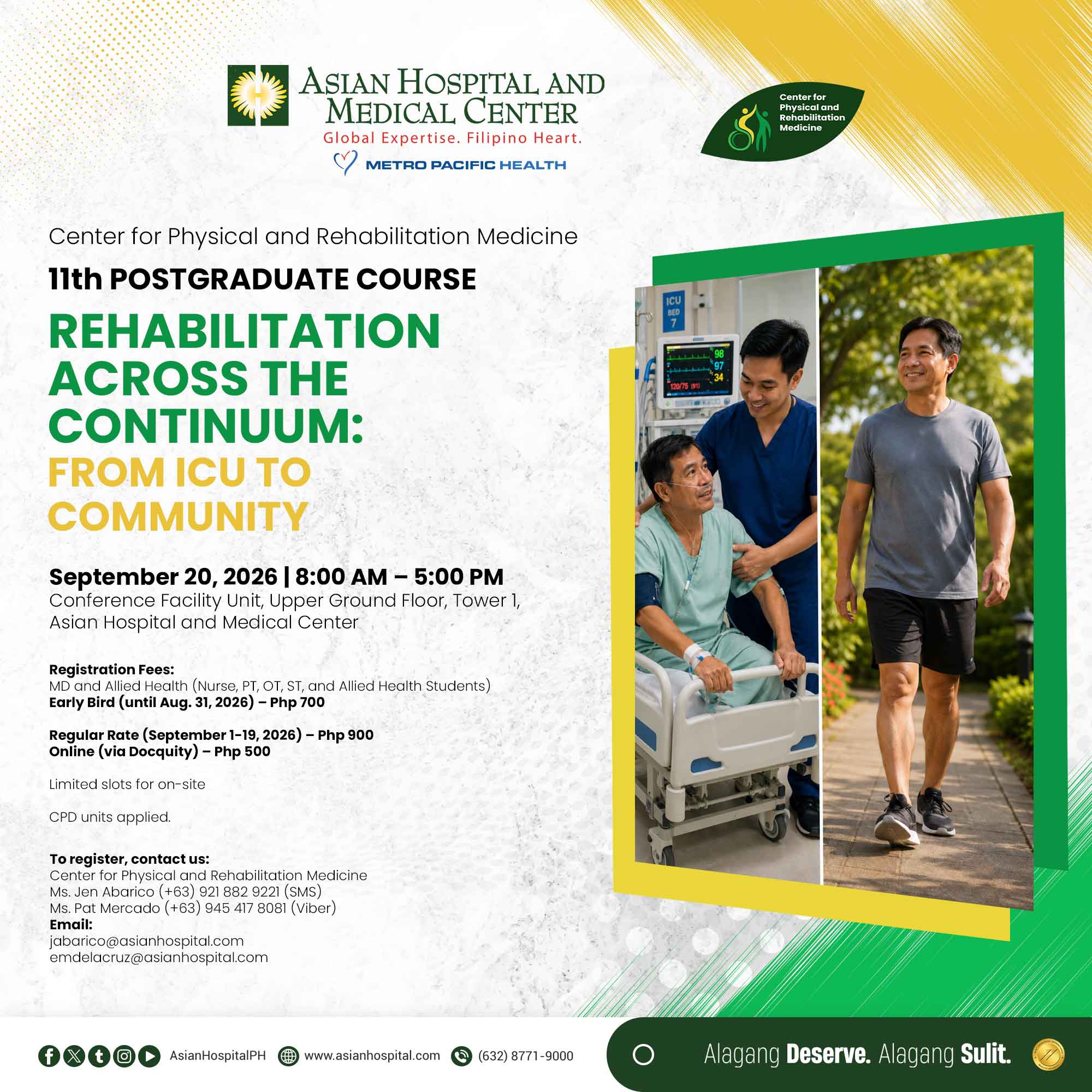
REHABILITATION ACROSS THE CONTINUUM: FROM ICU TO COMMUNITY
Rehabilitation doesn't end at discharge—it continues every step of the way Join the 11th Postgraduate Course of the Center for Physical and Rehabilitation Medicine and gain valuabl...
Leadership Team | Beaver Tamesis, MD | President and Chief Executive Officer Maria Carmen B. Nievera, MD | Chief Medical Officer Robert D. Martinez | Chief Finance Officer Franklin...
Why Women Experience More Joint Pain After Menopause: A Guide to Osteoarthritis
Home | Health Articles | Why Women Experience More Joint Pain After Menopause: A Guide to Osteoarthritis
Why Women Experience More Joint Pain After Menopause: A Guide to Osteoarthritis
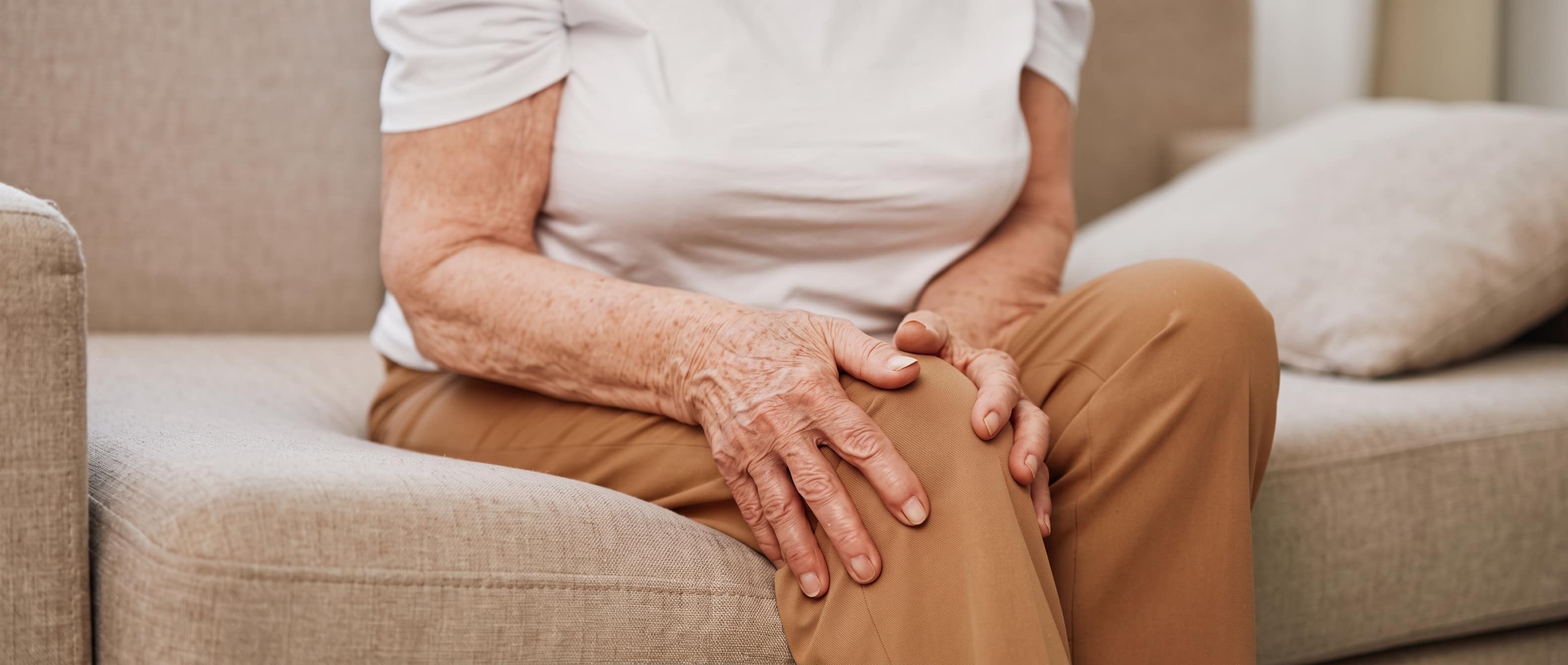
If you have noticed more frequent joint aches or stiffness lately, you are certainly not alone. Many women find that their joint health changes noticeably during and after menopause. This is a common experience, but it often leaves many wondering: what exactly is happening to our joints, and why does this seem to affect women more than men?
Osteoarthritis is the most common type of arthritis. It happens when the protective "cushioning" tissue at the ends of your bones, called cartilage, gradually wears down over time. When this happens, your joints lose their smooth glide, which can lead to pain, swelling, and stiffness.
Osteoarthritis often accelerates or becomes more noticeable for women during the hormonal shifts that occur after menopause.
Why Are Women More Prone to Osteoarthritis After Menopause?
While there isn't one single cause, a combination of factors plays a major role:
The Estrogen Connection: Estrogen is a powerhouse hormone that helps keep joints healthy by managing inflammation and keeping cartilage strong and flexible. As estrogen levels drop during and after menopause, this protective "shield" weakens, making joints more susceptible to wear and tear.
Anatomical Differences: Because of the natural structure of the female body specifically having wider hips, women’s joints, particularly in the knees, often experience different alignment and stress patterns compared to men
Bone Density: Menopause also affects bone health. As bone density decreases, the joints may face additional stress, increasing the risk of pain and injury
Signs and Symptoms of Osteoarthritis
Osteoarthritis symptoms often develop slowly but can become more persistent over time. You may notice:
Pain: Aches during or after movement
Stiffness: Especially noticeable first thing in the morning or after sitting for a long time
Limited Motion: Feeling like a joint isn't as flexible as it used to be
Grating or Popping: A sensation or sound when moving the joint
How Can You Manage Your Joint Health?
While you cannot "reverse" the wear that has already happened, you can take meaningful steps to protect your joints and manage discomfort:
Move Smart: Regular, low-impact exercise such as walking, swimming, or cycling keeps joints lubricated and strengthens the muscles around them.
Maintain a Healthy Weight: Every extra pound puts additional pressure on weight-bearing joints like the knees and hips. Even small changes in weight can significantly reduce that load
Stay Hydrated: Your cartilage is largely made of water. Keeping hydrated helps maintain that essential cushion.
Listen to Your Body: If joint pain is interfering with your daily life, don't just "push through." See a healthcare professional to discuss a plan that works for you, whether that involves physical therapy, lifestyle adjustments, or other medical options