



















Undergoing cancer treatment is a demanding process for your body. While medical therapies focus on fighting the cancer, nutrition acts as a vital pillar of support, helping to maintain your strength, boost your immune system, and—most importantly—manage the side effects that can occur during your journey.
Eating well doesn't just keep you going; it can help your body tolerate treatments more effectively and improve your overall quality of life
Managing Side Effects Through Food
Every patient’s experience is unique, but many common side effects can be eased with strategic dietary adjustments. Here is how you can use nutrition to help:
Nausea and Vomiting
When the stomach feels unsettled, the goal is to keep things simple and gentle.
Small, Frequent Meals: Avoid large meals that make your stomach feel too full. Try eating 5–6 small meals or snacks throughout the day.
Temperature Matters: Often, room-temperature or cool foods are less aromatic and less likely to trigger nausea than hot, steaming meals.
The "Bland" Approach: Stick to easy-to-digest foods like toast, crackers, rice, or applesauce.
Natural Soothers: Ginger tea, ginger chews, or peppermint can help calm a queasy stomach.
Loss of Appetite:
It is common to feel less hungry during treatment, but your body still needs fuel to repair itself.
Focus on Nutrient Density: When you can’t eat much, make every bite count. Focus on high-protein and high-calorie foods.
Liquid Nutrition: If solid food feels overwhelming, rely on nutrient-dense smoothies, protein shakes, or soups. They are often easier to consume and provide essential calories.
Mouth Sores or Difficulty Swallowing
Treatment can sometimes make the lining of your mouth sensitive.
Soft and Moist: Opt for foods with a soft texture, such as mashed potatoes, yogurt, scrambled eggs, or oatmeal.
Avoid Irritants: Steer clear of acidic foods (like citrus or tomatoes), spicy dishes, or crunchy, sharp-edged foods that can scratch and irritate sensitive tissues.
Fatigue
Maintaining steady energy levels is key to combating the "treatment fatigue" many patients experience.
Consistent Fuel: Eat balanced meals that combine lean protein (chicken, fish, beans) with complex carbohydrates to prevent blood sugar spikes and crashes.
Preparation: On days when your energy is low, rely on easy-to-grab, pre-prepared healthy snacks so you don't have to cook when you are tired.
The Golden Rules of Supportive Nutrition
Prioritize Hydration: Dehydration can exacerbate side effects like fatigue and nausea. Keep a water bottle nearby and sip throughout the day, even if you don't feel thirsty.
Practice Food Safety: Some cancer treatments temporarily weaken your immune system. Always wash your hands and surfaces thoroughly, and avoid high-risk foods like raw or undercooked meats, raw fish (sushi), and unpasteurized dairy products.
Consult Your Oncology Team: This is the most important step. Before starting any new vitamins, herbal supplements, or restrictive diets, speak with your doctor. Some supplements can interact negatively with your treatment, and your oncology team needs to ensure your nutrition plan supports—not interferes with—your medical care.
Your Partner in Nutrition
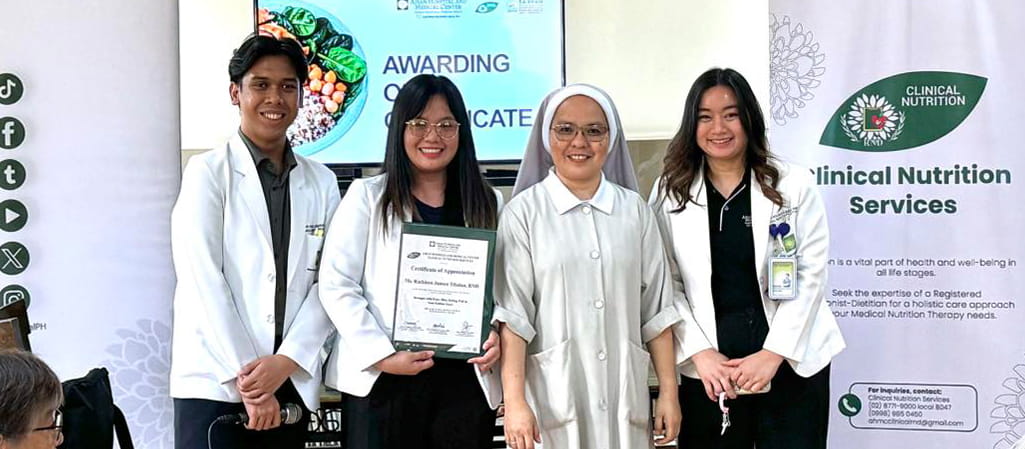
You don’t have to navigate these dietary changes alone. Many comprehensive cancer centers, like the Asian Cancer Institute in partnership with the Clinical Nutrition and Dietetics Department, offer guidance on supportive care, including connecting patients with registered dietitians who specialize in oncology.
If you are struggling with your appetite or finding it hard to manage side effects through diet, speak with your care team. They can help you create a personalized plan that ensures you are getting the nourishment you need to stay strong, comfortable, and focused on your recovery.


