





















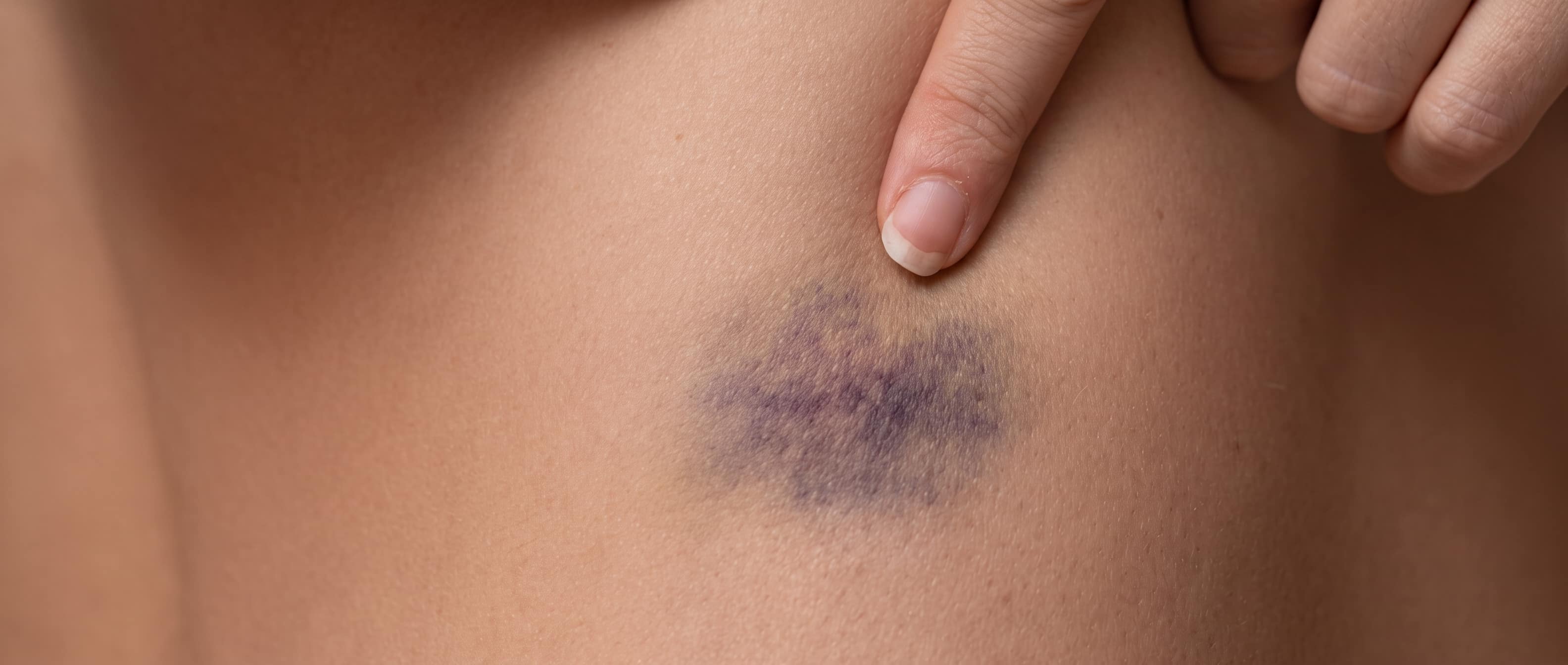
Most bruises fade within a few weeks, but a persistent lump or mark that doesn't follow this typical healing path warrants attention. While most musculoskeletal masses are harmless, it is important to recognize when an injury requires more than just an ice pack. If you notice a growth that refuses to resolve, it might be time to see your doctor.
In the world of medical diagnosis, some conditions are elusive, but few are as deceptive as sarcoma. Frequently described by clinicians as "the great mimicker," this rare, aggressive tumor has a uncanny ability to hide in plain sight by perfectly mirroring the appearance of common, benign conditions. It doesn't just look like a bruise; it can mimic a harmless lipoma, a muscle knot, or a lingering sports injury at both the clinical and radiological levels. Because it presents in the very tissues where we sustain daily bumps and strains, patients and doctors alike often overlook its early warning signs, mistakenly dismissing a developing tumor as a simple injury that just needs a little more time to heal.
Sarcomas are notoriously difficult to spot in their early stages. They rarely present with dramatic symptoms, which is why they are so often mistaken for minor injuries or common, benign lumps.
When a sarcoma does present, the symptoms are usually subtle and progressive rather than sudden or sharp. Here are the key signs to watch for, keeping in mind that the lack of resolution is the most significant indicator.
A Persistent, Often Painless Mass: The most common presentation is a lump or swelling in the soft tissue (often in the arms, legs, or torso). Unlike an acute injury, which is usually painful immediately, a sarcoma may start as a painless, nondescript bump that you notice only by chance.
Deep-Seated Location: Because they originate in deep connective tissues, these masses often feel as though they are "anchored" or fixed beneath the muscle or fascia, rather than being loose or movable just under the skin
Progressive Growth: While a hematoma or injury-related swelling should shrink and fade over time, a sarcoma does not follow a natural healing cycle. A hallmark sign is a mass that slowly, steadily increases in size over weeks or months.
Increasing Firmness: As the mass develops, it may become noticeably harder or denser than the surrounding tissue. If a lump that once felt somewhat soft begins to feel firm or immovable, this is a red flag.
Pressure or Numbness: If the tumor grows large enough to press on nearby nerves, muscles, or blood vessels, it can cause secondary symptoms. You might experience a deep, dull ache, muscle weakness, or a tingling/numb sensation in the limb, even if the lump itself feels benign.
3 week rule: If a lump or mass remains unchanged, continues to grow, or becomes firmer three weeks after you first noticed it, it has "expired" its status as a simple, healing injury.
When you need to investigate a persistent lump, you want a medical team that understands the complexity of these "great mimickers." The Asian Cancer Institute at Asian Hospital and Medical Center provides a multidisciplinary approach to oncology, which is the gold standard for managing complex, deep-seated masses like sarcomas.
Because sarcomas are rare and require precise staging and identification, the institute brings together a coordinated team of specialists—including surgical oncologists, medical oncologists, radiation specialists, and expert radiologists—who work in unison to:
Provide Precise Imaging: Move beyond basic observation with high-resolution diagnostics that can differentiate between a hematoma and an active tumor.
Coordinate Specialist Review: Ensure that your case is assessed by clinicians who have specific experience in sarcomas, rather than relying on a general evaluation.
Create a Personalized Care Pathway: If the mass is benign, you get peace of mind and, if necessary, a plan for removal. If it is something more, you are already within a system designed for rapid, comprehensive intervention.
Don't let a "wait and see" approach turn into a missed opportunity for early detection. If your injury is stubborn, take the proactive step of scheduling a consultation at the Asian Cancer Institute. You aren't just booking an appointment; you are getting the expert eyes you need to finally understand what is happening in your body and taking control of your health.


