Brachytherapy is a type of radiation therapy used to treat cancer. It works by placing a radioactive material near or directly into the tumor. This approach helps deliver a higher dose of radiation to a small, localized area, which reduces the risk of damage to surrounding healthy cells.
There are two types of brachytherapy:
- Intracavitary Brachytherapy where the radioactive material is placed near the tumor
- Interstitial Brachytherapy where the radioactive material is placed directly into the tumor
What Kinds of Cancer Does Brachytherapy Treat?
In the Philippine setting, brachytherapy is widely used for gynecologic cancers such as:
- Cervical Cancer
- Endometrial Cancer
- Vaginal Cancer
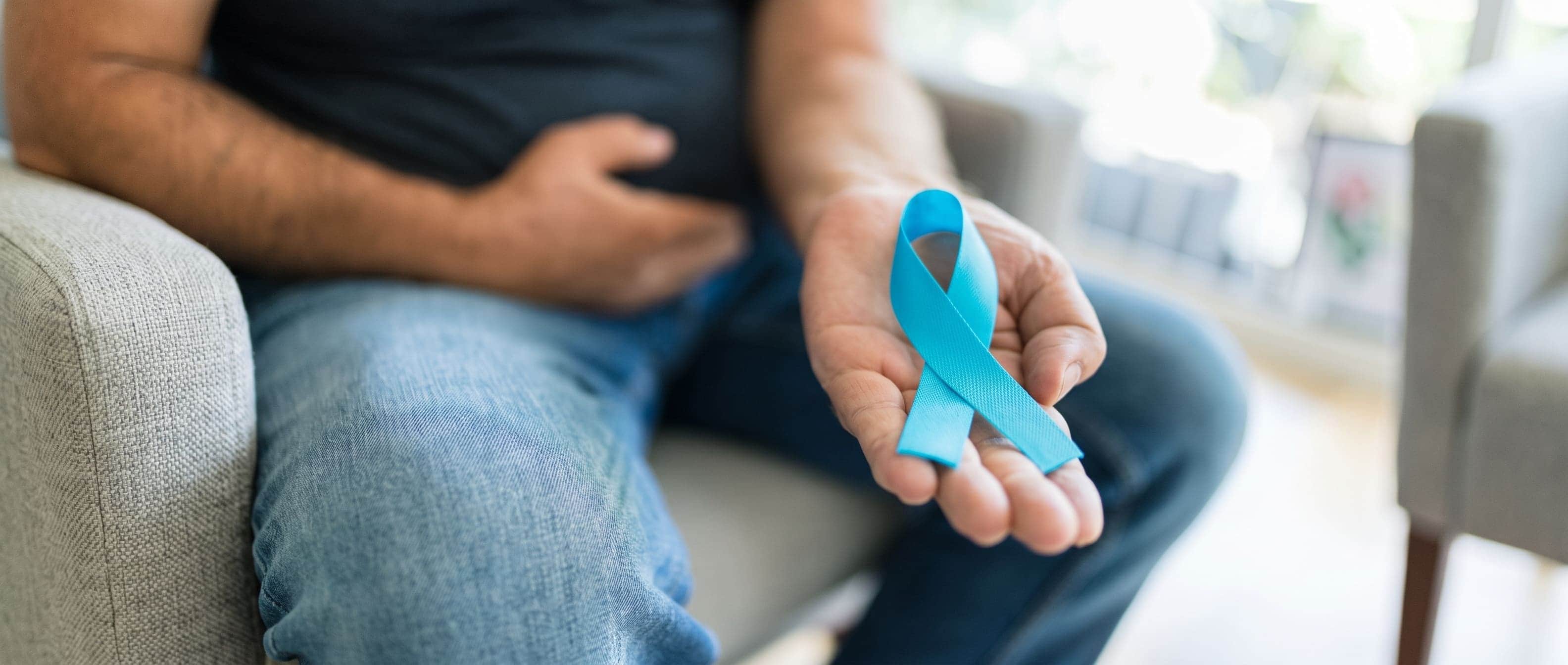
Apart from these, brachytherapy can also be used for prostate cancer.
What Happens During a Brachytherapy Session?
- Patients are usually placed under anesthesia to ensure that they will not feel any pain during the procedure.
- Once the anesthesia takes effect, the applicator will be inserted and placed near the area of the tumor
- After which, a CT-Scan will be taken to help doctors identify the exact area of the tumor. This image-guided approach ensures that the radioactive material is placed directly next to the tumor allowing them to deliver higher dose of radiation to the tumor while delivering lower dosage of radiation to the surrounding healthy cells.
How long does each session brachytherapy take?
Brachytherapy is an outpatient procedure typically performed once a week for four sessions, with each session lasting about two hours. After the treatment, patients are transferred to the recovery room for one hour before they are cleared to go home.
What are the Risks and Side Effects of Brachytherapy?
Although uncommon, some patients may experience the following side effects:
- After the procedure, 1-2 days of slight discomfort in urination
- Urinary frequency
- Frequency in bowel movement