













The Asian Institute of Respirology (AIR) is the center of excellence for pulmonary diagnostic services at Asian Hospital and Medical Center, providing advanced respiratory care through the integration of global expertise and state-of-the-art technology. From preventive screening to long-term recovery, the institute’s team of lung experts delivers patient-centered support for a wide range of conditions, including asthma, Chronic Obstructive Pulmonary Disease (COPD), and pulmonary masses. With a core belief that every breath matters, AIR ensures early diagnosis and personalized management, guiding patients through every step of their journey toward breathing better and living longer.
Driven by a multidisciplinary approach promise to "Breathe Better with AIR", AIR features specialized facilities like the Interstitial Lung Disease (ILD) Center—a first-of-its-kind clinic in the Philippines dedicated to complex lung scarring and fibrosis—as well as comprehensive pulmonary rehabilitation and TB-DOTS programs. A collaborative team of adult and pediatric pulmonologists, and respiratory therapist, works cohesively to improve respiratory function through diagnostic test, breathing exercises respiratory symptoms management and patient education supervised breathing exercise, symptom management, and patient education. By integrating innovative clinical pathways with compassionate, "Filipino heart" care, the Asian Institute of Respirology serves as a premier destination for those seeking to reclaim their respiratory health and quality of life
CENTERS OF EXCELLENCE
Pulmonary Diagnostic Services provide comprehensive testing to evaluate lung function and overall respiratory health, using advanced diagnostic technology and evidence-based protocols. These services support accurate diagnosis, disease monitoring, and effective management of a wide range of pulmonary conditions, enabling physicians to develop personalized treatment plans and deliver timely, patient-centered care.
Interventional Pulmonology offers advanced, minimally invasive procedures for the diagnosis and treatment of complex airway, lung, and pleural conditions. Utilizing specialized techniques, image-guided technology, and state-of-the-art equipment, these procedures enable precise evaluation, targeted therapy, and reduced recovery time. This approach supports accurate diagnosis, effective disease management, and improved clinical outcomes while minimizing patient discomfort and procedural risk.
Pulmonary Therapeutics Center is a one-stop hub for comprehensive respiratory care needs, offering essential equipment’s, supplies, and expert guidance from Registered Respiratory Therapists to support effective home and clinical management of lung conditions.
The Sleep Laboratory provides comprehensive evaluation and testing for sleep-related disorders using top-of-the-line diagnostic equipment and expert clinical care. Designed with a comfortable, home-like ambiance, the laboratory ensures patients feel relaxed and at ease. Our friendly team of nationally and internationally registered sleep technologists guide you through every step, supporting accurate diagnosis and effective treatment in a patient-centered, welcoming environment.
Emergency and Critical Care provides immediate, specialized medical attention for life-threatening and acute conditions, with a focus on patients with severe respiratory or pulmonary complications. Our team delivers rapid assessment, advanced monitoring, and timely interventions for critical lung and airway issues, including respiratory failure, severe asthma attacks, and complications from chronic lung diseases. We also provide ambulance services and in-hospital critical care transport using a quality transport ventilator with advanced modes, ensuring safe and effective support during transfer. Our services cater to neonatal, pediatric, and adult patients, providing specialized care across all age groups. By integrating closely with our pulmonary services, we ensure continuity of care—from emergency stabilization to ongoing management—helping patients achieve optimal outcomes even in the most urgent situations.
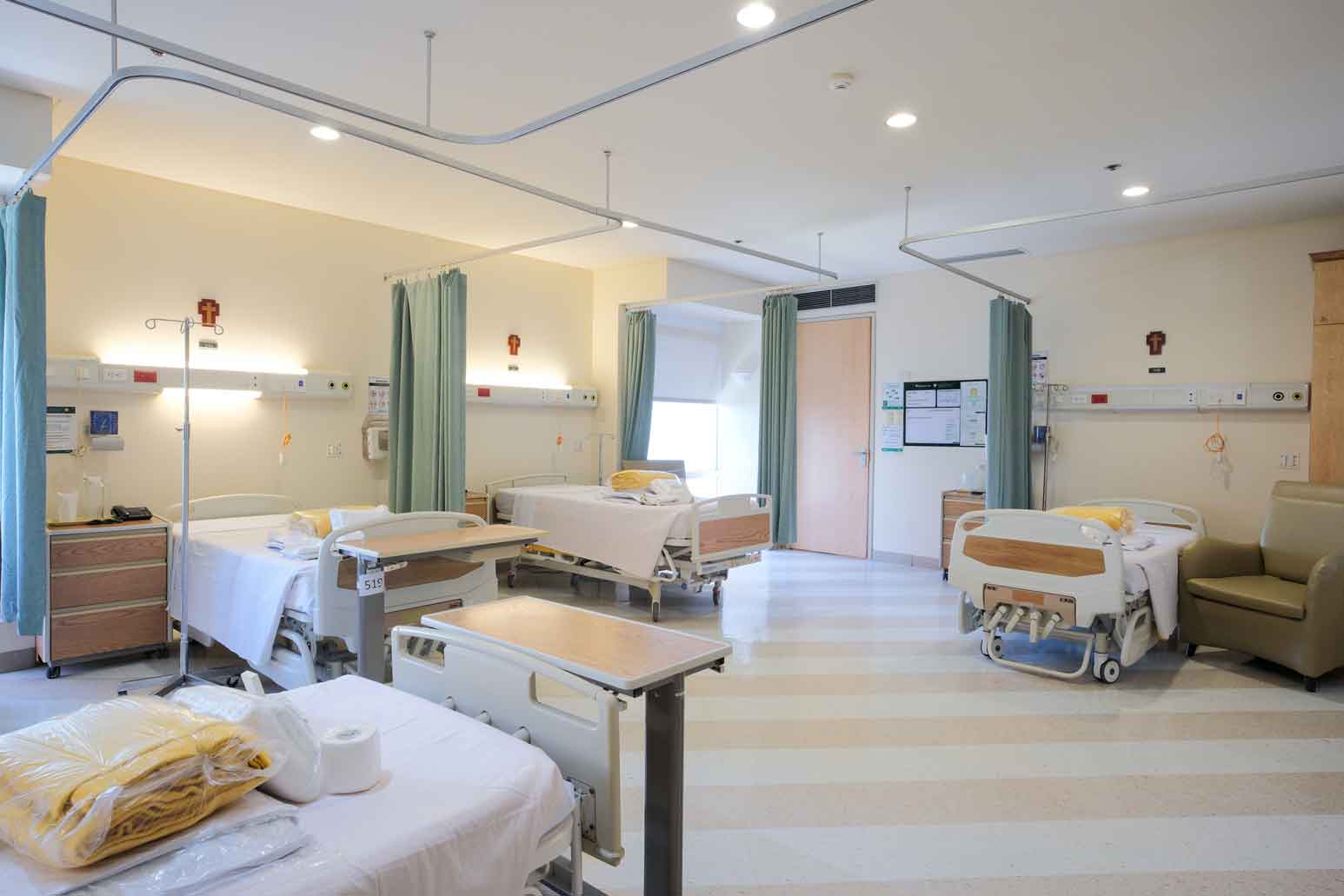
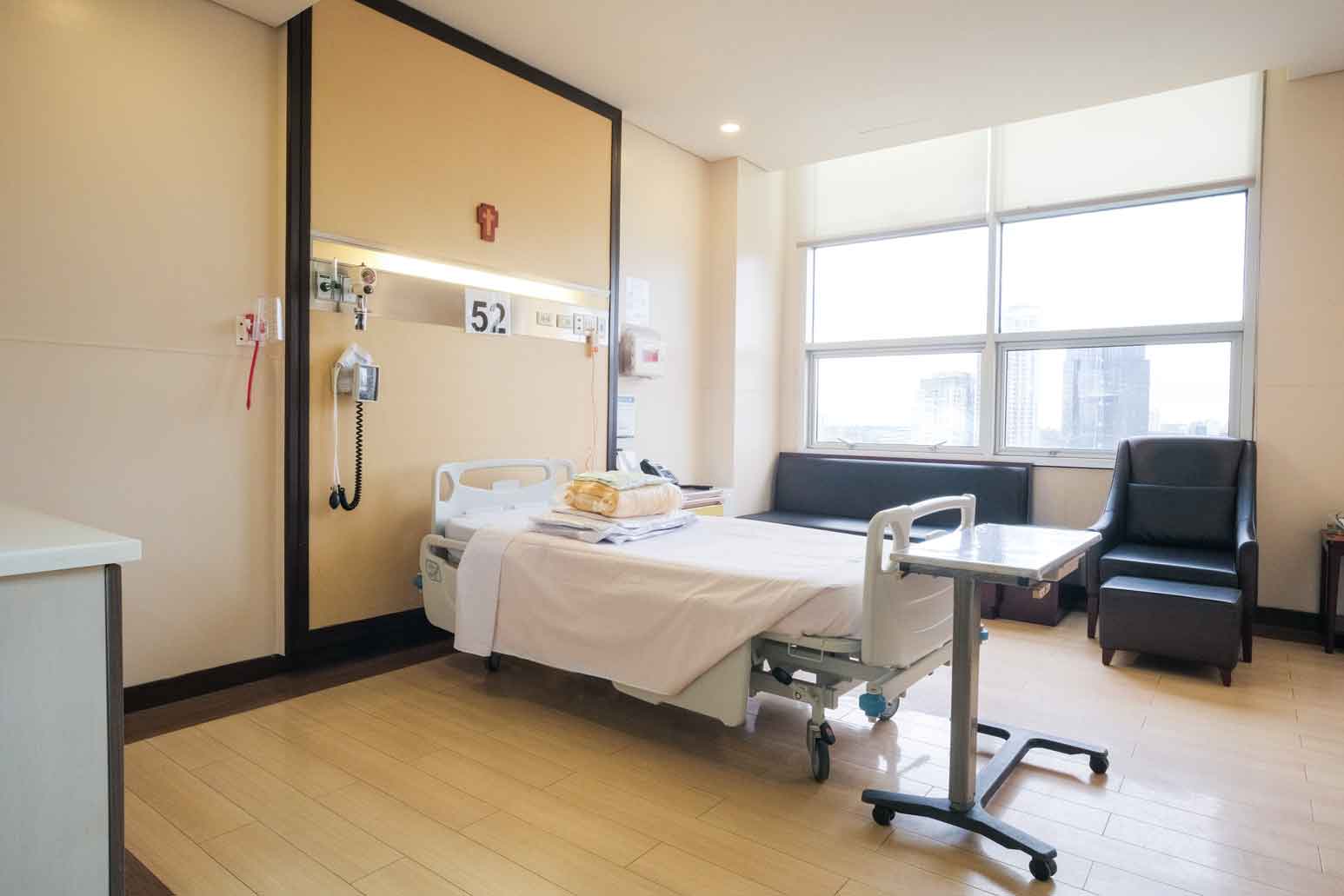
Comprehensive respiratory assessment, monitoring, and treatment for patients admitted in hospital wards and critical care units. Our team provides expert pulmonary support, diagnostic services, and individualized respiratory care to help patients recover and achieve better breathing outcomes.
A specialized clinic dedicated to the early detection, diagnosis, treatment, and long-term management of interstitial lung diseases. Our multidisciplinary team provides comprehensive evaluation, personalized care plans, and ongoing monitoring to help patients maintain lung function and improve quality of life.
A comprehensive program designed to help individuals with chronic lung conditions breathe easier, improve physical endurance, and enhance their quality of life. Through supervised exercise training, breathing techniques, education, and personalized support, patients can better manage their symptoms and regain confidence in daily activities.
A two-year subspecialty training program accredited by the Philippine College of Chest Physicians (PCCP), designed to equip physicians with advanced knowledge, clinical expertise, and procedural skills in the diagnosis and management of respiratory diseases. The program provides comprehensive training in pulmonary medicine, preparing graduates to become competent and board-certified pulmonologists.
A quality, hands-on, and comprehensive clinical training program designed to develop highly skilled and globally competitive Respiratory Therapists. Guided by the standards of the Association of Respiratory Care and Respiratory Therapy Practitioners (ARRCP), the program provides immersive hospital-based learning experiences that strengthen clinical independence, critical thinking, and sound decision-making in real-world patient care settings. Recognized locally and internationally, it prepares trainees to become confident, future-ready professionals in respiratory care.
An integrated initiative aligned with both the Respiratory Therapy Internship Program and Pulmonary Fellowship Training, aimed at advancing evidence-based respiratory care through research, education, and clinical advocacy. Centered on Pulmonary Rehabilitation, the program places strong emphasis on COPD care, offering tailored exercise prescription, individualized breathing techniques, and structured patient education. It supports multidisciplinary collaboration to improve patient outcomes, promote lung health awareness, and strengthen clinical practice through continuous research and innovation in respiratory care.
KEY SERVICES

Cardiopulmonary Exercise Test (CPET)
Cardiopulmonary Exercise Testing (CPET) is a specialized stress test that evaluates how your heart, lungs, and muscles function together as a single unit. While a standard stress test only monitors the heart, CPET uses a metabolic mask to analyze your breath, measuring exactly how much oxygen you consume and how much carbon dioxide you exhale during exercise.
Sleep Study
A Sleep Study (Polysomnography) is a non-invasive overnight test that monitors brain waves, oxygen levels, and breathing to identify disruptions in your sleep. It is used to diagnose and solve the root causes of Obstructive Sleep Apnea (OSA) and other sleep disorders, preventing serious complications like heart disease, stroke, and chronic fatigue by enabling targeted treatment to restore healthy, uninterrupted rest.
FeNo+ Test
A non-invasive diagnostic test that measures how well the lungs are working by assessing lung volumes, airflow, and gas exchange. It is used to evaluate and monitor respiratory conditions such as asthma, chronic obstructive pulmonary disease (COPD), and other lung disorders, helping physicians determine the severity of disease and guide appropriate treatment plans.
Pulmonary Function Test
A non-invasive diagnostic test that measures how well the lungs are working by assessing lung volumes, airflow, and gas exchange. It is used to evaluate and monitor respiratory conditions such as asthma, chronic obstructive pulmonary disease (COPD), and other lung disorders, helping physicians determine the severity of disease and guide appropriate treatment plans.
Other Key Services
Aerosol Therapy
A form of respiratory treatment that delivers medication directly into the airways in the form of a fine mist for inhalation. It is used to manage and treat various pulmonary conditions such as asthma, chronic obstructive pulmonary disease (COPD), and other airway disorders by promoting bronchodilation, reducing airway inflammation, and improving mucus clearance. This targeted delivery allows for rapid therapeutic effect with minimal systemic side effects.
Oxygen Therapy
A medical treatment that provides supplemental oxygen to patients with hypoxemia or impaired respiratory function to maintain adequate tissue oxygenation. It is indicated for various acute and chronic respiratory conditions, including chronic obstructive pulmonary disease (COPD), pneumonia, and respiratory failure. Oxygen is delivered through appropriate devices such as nasal cannula, face mask, or high-flow systems, based on the patient’s clinical condition and oxygenation needs, to improve gas exchange and reduce work of breathing.
Arterial Blood Gas
A diagnostic laboratory test that measures the partial pressures of oxygen (PaO₂) and carbon dioxide (PaCO₂), blood pH, and bicarbonate (HCO₃⁻) levels in arterial blood. It is used to evaluate gas exchange, acid-base balance, and the effectiveness of pulmonary ventilation and oxygenation. ABG analysis is essential in the assessment and management of patients with respiratory failure, metabolic disturbances, and critical care conditions.
Continuous Positive Airway Pressure (CPAP)
A non-invasive ventilatory support modality that delivers a constant level of positive airway pressure throughout the entire respiratory cycle. It is used to maintain upper airway patency, improve alveolar recruitment, and enhance oxygenation in conditions such as obstructive sleep apnea (OSA), acute cardiogenic pulmonary edema, and selected cases of hypoxemic respiratory failure.
Bilevel Positive Airway Pressure (BiPAP)
A non-invasive ventilatory support system that provides two levels of positive airway pressure: higher inspiratory positive airway pressure (IPAP) and lower expiratory positive airway pressure (EPAP). It assists ventilation by reducing work of breathing, improving alveolar ventilation, and enhancing carbon dioxide elimination. BiPAP is commonly indicated in patients with chronic obstructive pulmonary disease (COPD) exacerbations, obesity hypoventilation syndrome, and acute or chronic hypercapnic respiratory failure.
Mechanical Ventilation
A life-supporting medical intervention that utilizes a mechanical ventilator to assist or fully control a patient’s breathing when spontaneous ventilation is inadequate or absent. It delivers precise volumes or pressures of air and oxygen to ensure adequate gas exchange, maintain oxygenation, and eliminate carbon dioxide. Mechanical ventilation is indicated in acute respiratory failure, severe chronic obstructive pulmonary disease (COPD) exacerbations, acute respiratory distress syndrome (ARDS), and other critical conditions requiring respiratory support in intensive care settings.
Critical Congenital Heart Disease Screening
A non-invasive neonatal screening procedure used to detect critical congenital heart defects in newborns before hospital discharge. It typically involves pulse oximetry measurements to assess pre- and post-ductal oxygen saturation levels, aiding in the early identification of clinically significant cardiac malformations associated with hypoxemia. Early detection allows prompt diagnostic confirmation and timely intervention, reducing morbidity and mortality related to undiagnosed congenital heart disease.
Carbon Monoxide Measurement
A non-invasive diagnostic screening test used to assess levels of carbon monoxide in the body, typically through breath CO analysis or carboxyhemoglobin measurement. It is primarily utilized to evaluate exposure to tobacco smoke and environmental carbon monoxide, and to support smoking cessation programs by providing objective feedback on smoking status. Elevated levels indicate recent inhalation of carbon monoxide, which binds to hemoglobin and reduces oxygen delivery to tissues, thereby serving as an important biomarker in respiratory health assessment and risk stratification.
Smoking Cessation Program
A structured clinical assessment process designed to identify individuals who use tobacco products and evaluate their level of nicotine dependence, readiness to quit, and associated health risks. It incorporates standardized screening tools, medical history review, and behavioral assessment to guide individualized cessation interventions. The screening serves as the entry point for evidence-based smoking cessation programs, which may include counseling, pharmacologic therapy, and continuous follow-up to support long-term abstinence and reduce the risk of tobacco-related diseases.


