


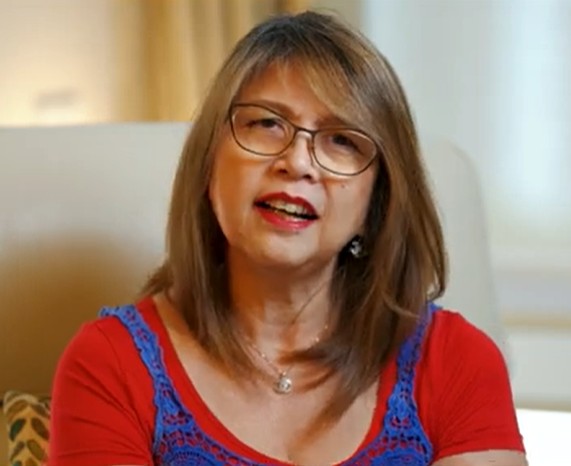




By Dr. Jennifer Justice Manzano
Head, Asian Brain Institute
Asian Hospital and Medical Center
When I was in medical school in the late 1990s, the lifetime risk of having a stroke was about 1 in 8. During my neurology training, it rose to 1 in 6. Today, that risk has escalated to 1 in 4. That means in a room of four people, one is likely to suffer a stroke in their lifetime. This alarming trend reflects the consequences of modern lifestyles—fast food consumption, unhealthy cooking habits like frequent frying, smoking, sedentary behavior, and excessive intake of sugar and processed foods.
A stroke, or “brain attack,” occurs when blood flow to a part of the brain is interrupted, depriving it of essential oxygen and nutrients. This can happen either due to a blockage (ischemic stroke) or a rupture of a blood vessel (hemorrhagic stroke). Think of it like a pipe: it’s either clogged or has burst. Without immediate blood flow, brain cells begin to die, potentially causing permanent damage or death.
People with chronic conditions such as high blood pressure, elevated cholesterol, heart disease, diabetes, obesity, and sickle cell disease face a significantly higher risk of stroke. However, adopting healthier lifestyle habits and managing these chronic conditions can substantially reduce that risk.
If you’ve been diagnosed with hypertension, high cholesterol, or diabetes, it’s critical to follow your doctor’s recommended lifestyle modifications and take your medications consistently. Keeping track of your vital health numbers—blood pressure, blood glucose, and lipid levels—is equally important. Choose a diet low in saturated and trans fats, cholesterol, and refined sugars. Combine that with at least 30 minutes of exercise most days, and avoid smoking and excessive alcohol intake.
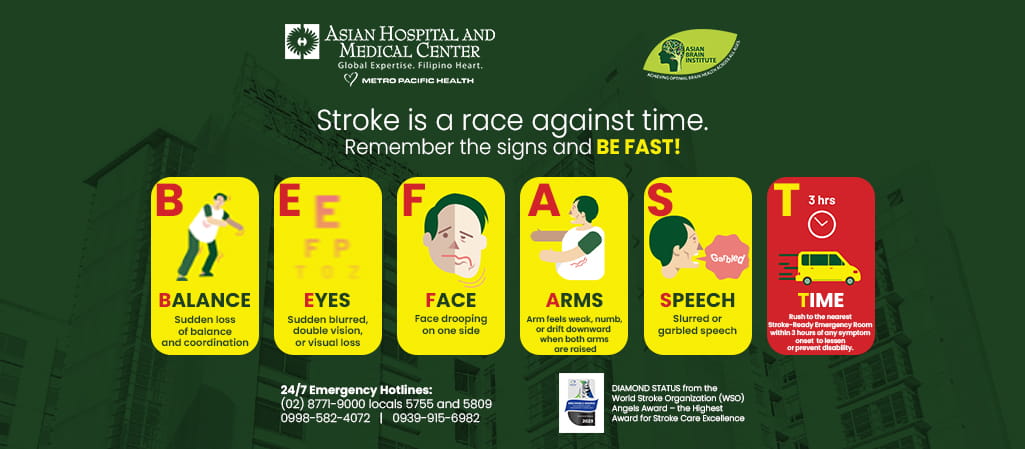
Even with the best preventive efforts, strokes can happen. That’s why preparedness is key—and in stroke care, every minute matters. Recognizing symptoms early can make the difference between life and death, or between recovery and disability. The acronym BE FAST can help you quickly identify a possible stroke:
B – Balance: Is the person suddenly dizzy or having trouble walking? Do they appear unsteady, like walking sideways or staggering without alcohol?
E – Eyes: Is there sudden vision loss in one or both eyes, double vision, or abnormal eye movements?
F – Face: Ask them to smile. Does one side of the face droop?
A – Arms: Ask them to raise both arms. Does one arm drift downward involuntarily?
S – Speech: Is their speech slurred, confused, or nonsensical?
T – Time: Time is critical. If you notice any of these symptoms, call emergency services immediately and bring the person to a stroke-ready hospital, not a clinic.
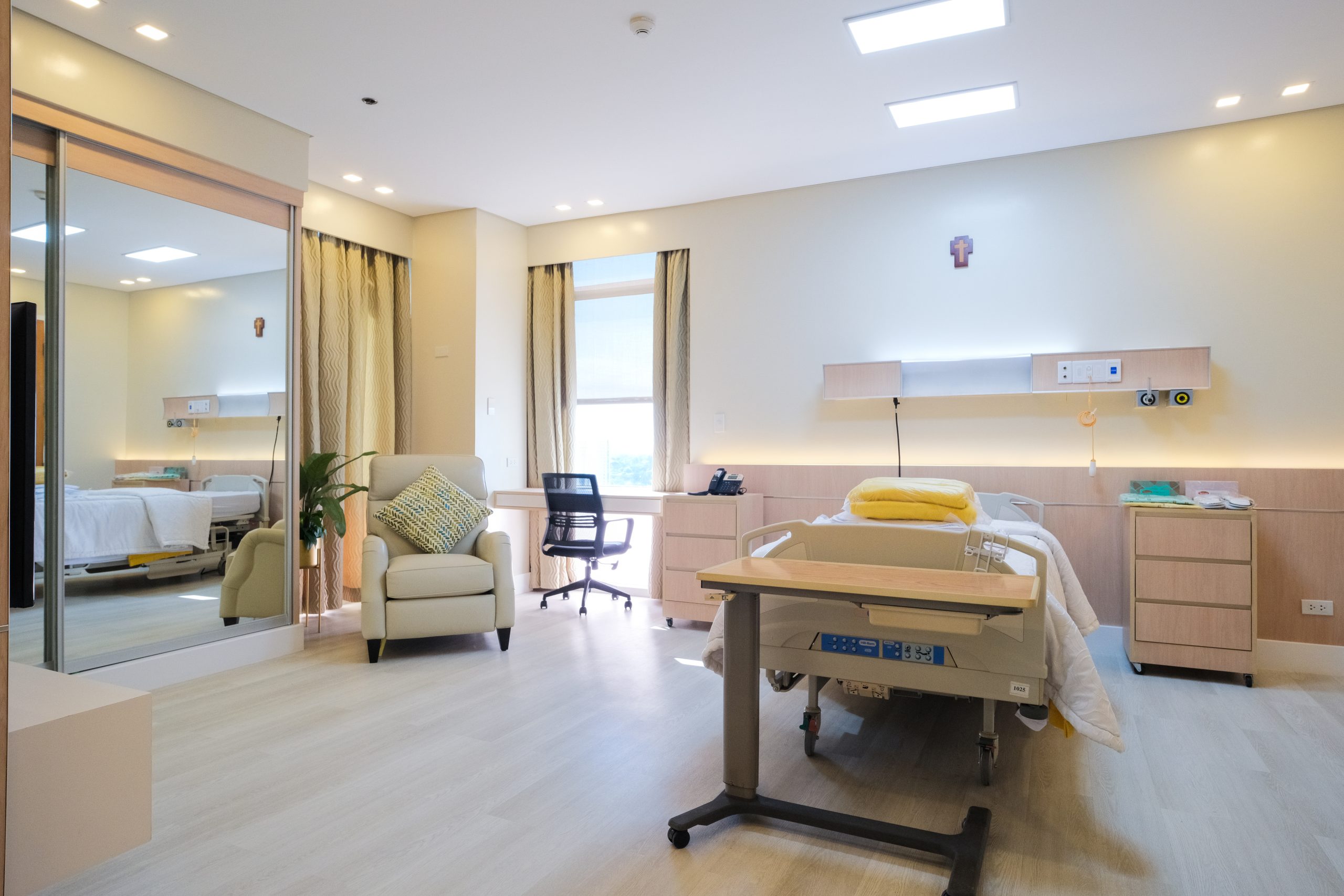
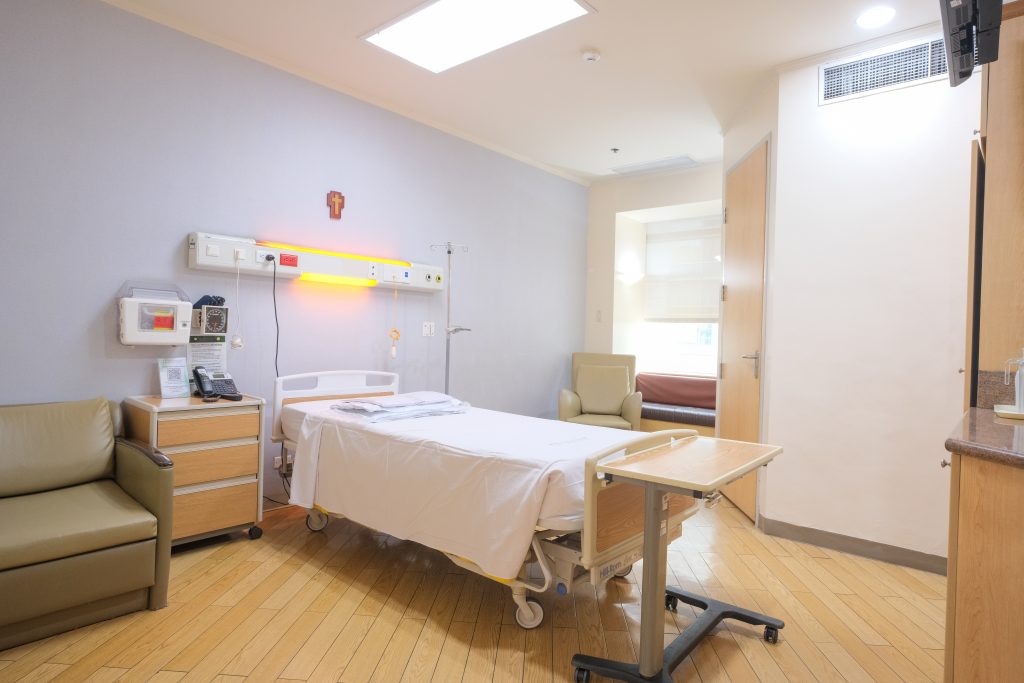
For residents in the southern part of Metro Manila, Asian Hospital and Medical Center is a certified stroke-ready hospital, accredited by both the Stroke Society of the Philippines and the Department of Health. We are one of the few institutions in the country equipped to administer the gold-standard treatment for acute stroke.
Our advanced facilities are matched by a specialized stroke team composed of neurologists, emergency physicians, radiologists, nurses, and rehabilitation professionals. These experts work seamlessly under established protocols to ensure rapid, appropriate, and life-saving care.
The Asian Brain Institute at Asian Hospital offers advanced neuro-interventional procedures, such as clot retrieval and aneurysm coiling and stenting, as well as neurosurgical interventions like decompressive hemicraniectomy and minimally invasive clot evacuation for stroke patients.
To learn more or to prepare for stroke-related emergencies, contact the Asian Brain Institute at Asian Hospital. Call us at (02) 8771 9000 local 8444.


