












What is an ACL Tear?
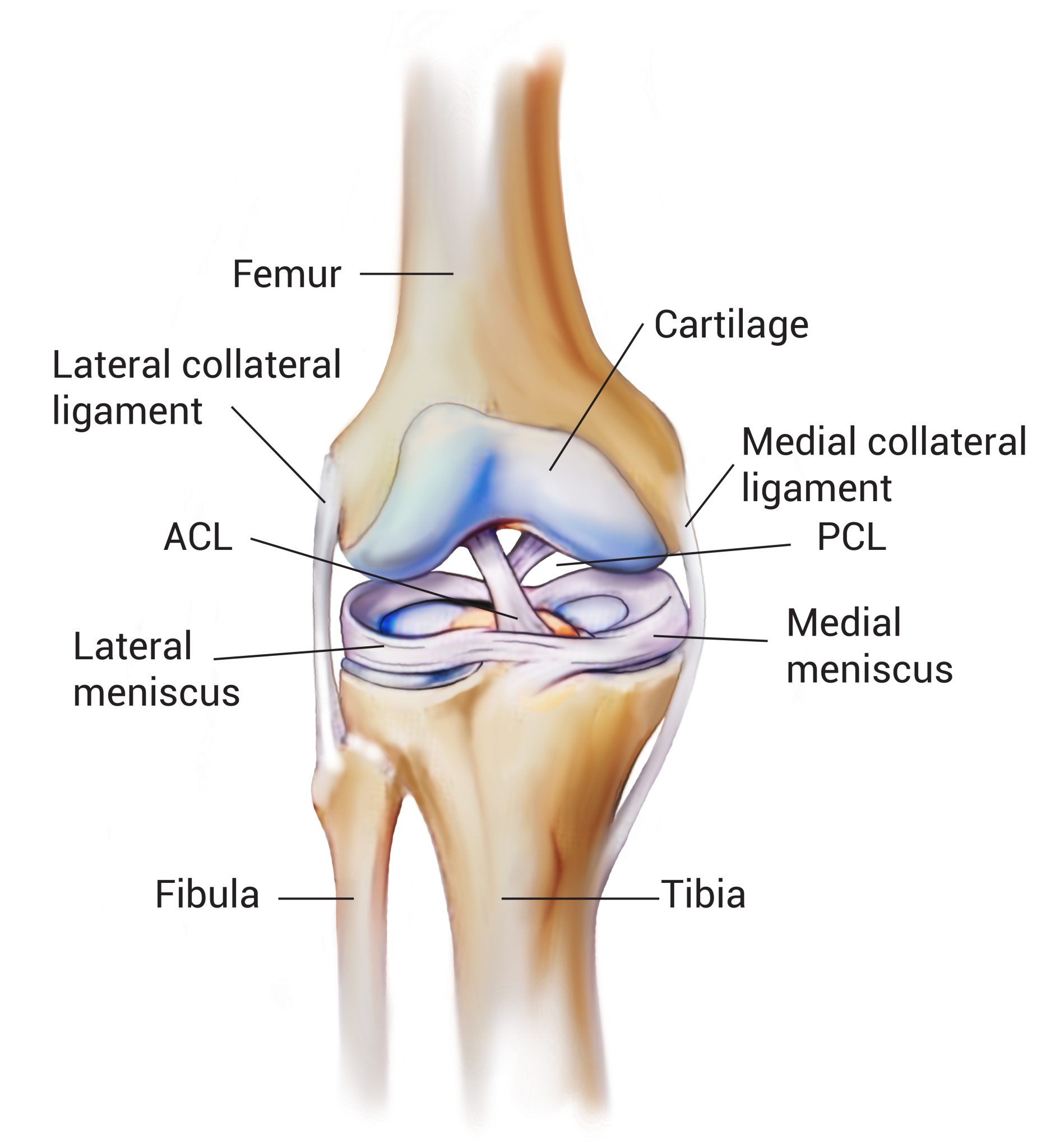
The Anterior Cruciate Ligament (ACL) is a key ligament in the knee that helps keep it stable by preventing the shin bone (tibia) from sliding too far forward in relation to the thigh bone (femur). It also plays an important role in knee rotation and balance.
How Do ACL Tears Happen?
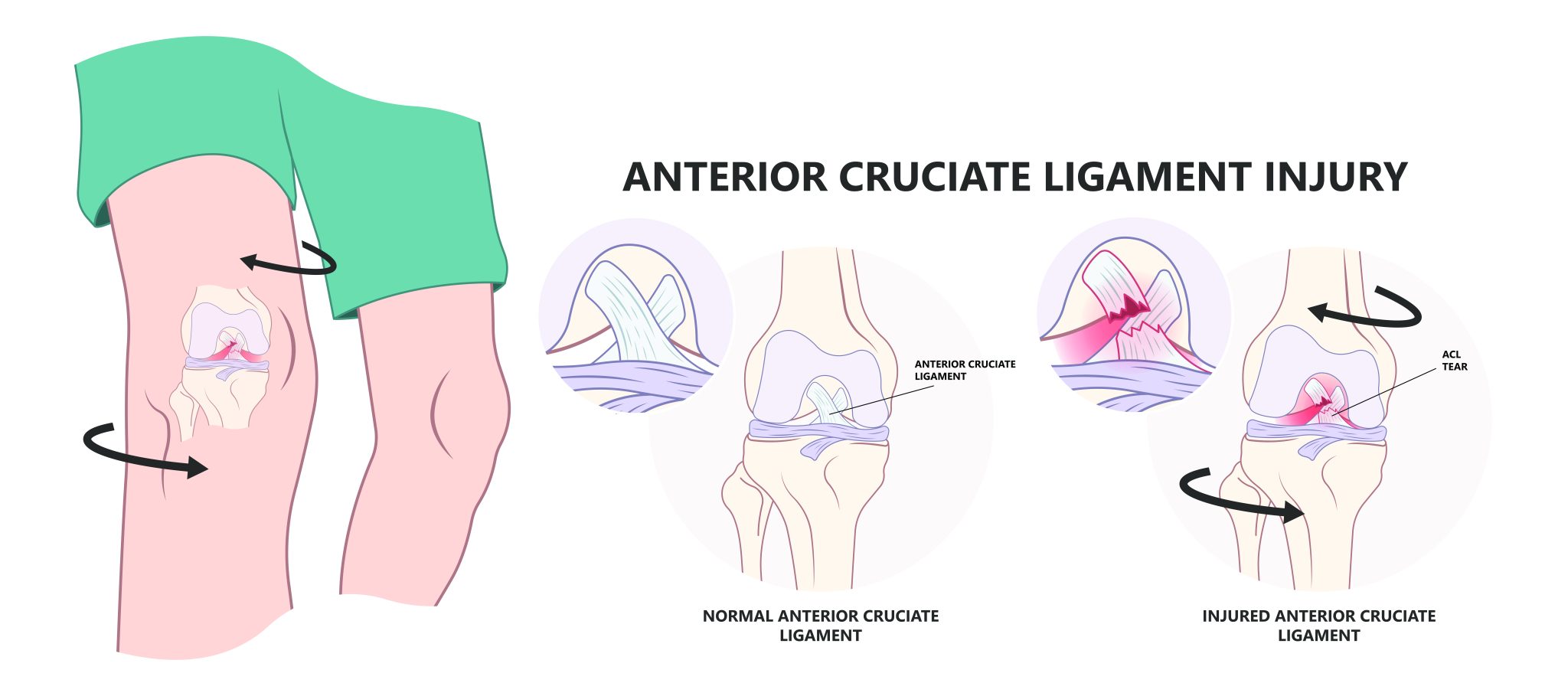
ACL injuries often occur during sports and physical activities, especially in non-contact movements such as:
Sudden stops or changes in direction (e.g., pivoting while running).
Jumping and landing incorrectly.
Twisting the knee with the foot planted.
Hyperextending the knee or overstretching it.
A direct blow to the knee (i.e., during a fall or collision in contact sports).
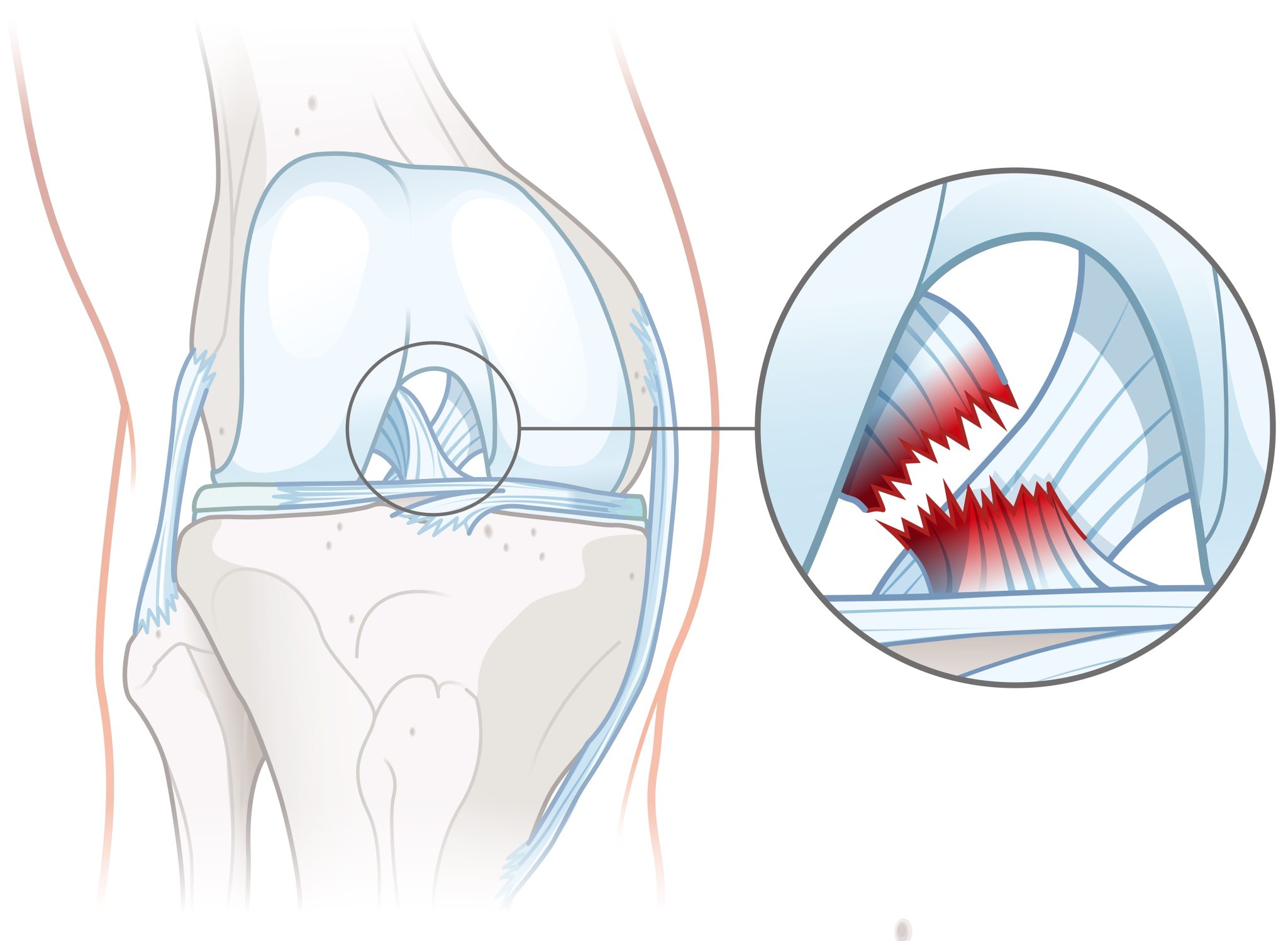
Many people describe hearing or feeling a “pop” during the injury, followed by swelling and instability.
Knee swelling after the injury
Difficulty walking
Feeling of the knee “giving way” or being unstable, especially when turning or pivoting.
A doctor will check your knee for stability, range of motion, and ligament strength. Imaging tests may also be used, including:
X-ray – To rule out bone injuries
MRI scan – To assess the severity of the tear and check for additional injuries (such as meniscus or cartilage damage)
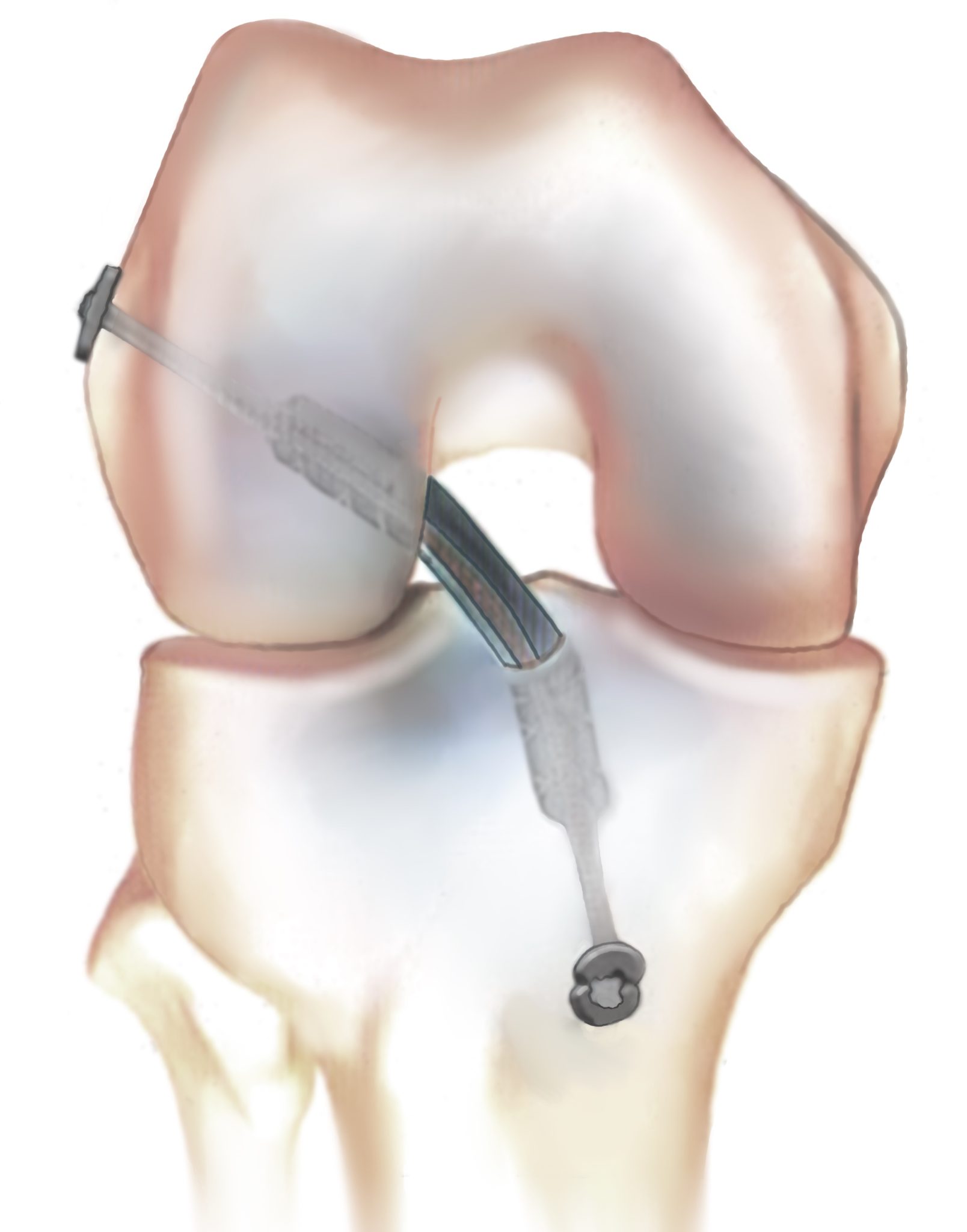
Since the ACL cannot heal on its own, most cases require surgical reconstruction, especially for active individuals. Without surgery, an untreated ACL tear can lead to long-term knee problems, including cartilage damage and arthritis.
Performed using a minimally invasive (arthroscopic) technique through small incisions
The torn ACL is replaced with a tendon graft, which may come from:
Hamstring tendon
Bone-patellar tendon-bone graft
Quadriceps tendon
Recovery & Rehabilitation
Physical therapy starts soon after surgery, with a gradual return to sports and high-impact activities around 10-12 months after the surgery.
If you suspect an ACL tear or have an ongoing knee pain and instability, consult an Orthopedic Sports Medicine Specialist at Asian Hospital. Early diagnosis and proper treatment can help restore knee strength and prevent further complications. For appointments or more information, contact Asian Hospital’s Orthopedic Department.
For inquiries, contact us:
Asian Orthopedic and Musculoskeletal Institute
2nd Flr, Ambulatory Care Facility, Tower 2
(02) 8771 9000 local 5729 or 8243 / 0998- 987-6941
or send them an email at aomi@asianhospital.com
Asian Hospital and Medical Center


