






















Coronary Artery Disease (CAD) is becoming more common—and it’s affecting Filipinos at younger ages than ever before. According to Dr. Eduardo O. Yambao Jr., Section Head of the Preventive Cardiology and Cardiac Rehabilitation Unit of the Asian Cardiovascular Institute in Asian Hospital and Medical Center, this growing trend makes it even more important for people to understand the risks and take steps to protect their heart.
“What makes CAD particularly concerning is its silent progression,” says Dr. Yambao. “The disease develops gradually through plaque buildup in the coronary arteries, often without any noticeable symptoms until it reaches an advanced stage. By then, significant damage may have already occurred.”
While chest pain (angina) is the most well-known sign of CAD, it’s not the only one. Other symptoms may include feeling weak, dizzy, or nauseated; discomfort in the arms or shoulders; or trouble breathing. Unfortunately, for some, the first sign of trouble is a heart attack—something that could often be prevented with early screening and healthier habits.
Heart disease, especially Coronary Artery Disease (CAD), can develop for many different reasons. Some of these risk factors are things we can’t change, like age or a family history of heart problems—especially if a parent or sibling had heart disease before the age of 50. But a lot of the risk comes from things we can do something about.
“Lifestyle modifications remain our strongest defense against CAD,” says Dr. Yambao. “Managing weight, increasing physical activity, maintaining a healthy diet, and avoiding tobacco use can significantly reduce the risk of developing this disease.
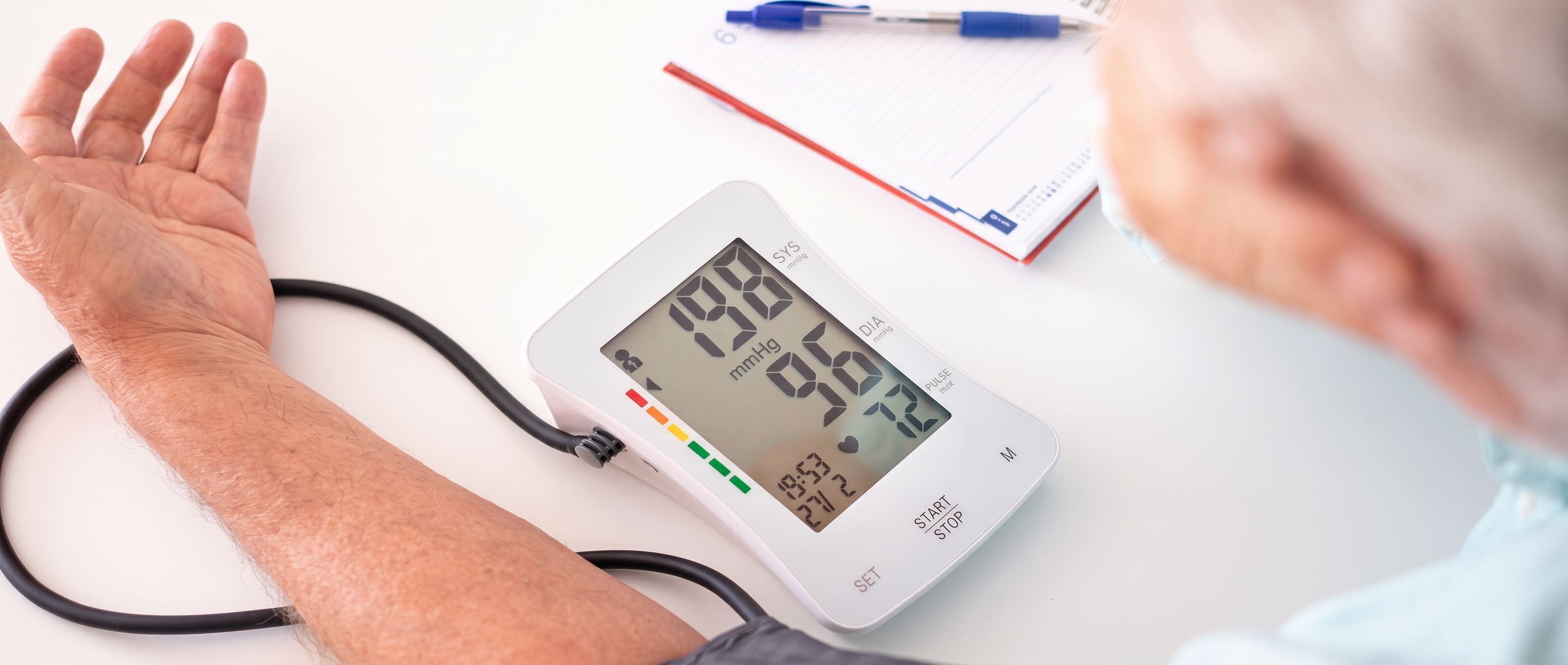
Today’s medical technology makes it easier to catch heart problems early. Simple tests like checking blood pressure and cholesterol levels are a good start. If needed, doctors can do more detailed tests like an ECG (electrocardiogram), a treadmill stress test, or other procedures to see how well the heart is working—all before any serious damage occurs.
Treating CAD isn’t just about medicine or surgery anymore. Doctors now use a mix of approaches, depending on what each patient needs. According to Dr. Yambao, managing heart disease often includes:
– Lifestyle modifications focusing on heart-healthy behaviors
– Medication to manage risk factors such as high blood pressure and cholesterol
– Cardiac rehabilitation programs
– Advanced surgical interventions when necessary
The role of specialized cardiac care facilities has become increasingly important in this landscape. The Asian Cardiovascular Institute at Asian Hospital and Medical Center stands at the forefront of cardiac care in the southern Metro Manila area, offering a unique integrated approach through its 10 centers of excellence. This structure enables a multidisciplinary team of specialists to collaborate effectively, providing personalized treatment plans that address each patient’s specific needs.
“Modern cardiac care isn’t just about treating disease–it’s about preventing it and managing it comprehensively when it does occur,” Dr. Yambao explains. At the Institute, the focus is not only on using the latest tools to diagnose and treat heart conditions, but also on prevention and helping patients recover and stay healthy.
The Institute currently offers a Heart Screening Package for only P12,600, which already covers: Physical Examination and Consultation by Consultant Cardiologist, General Screening Profile; Electrocardiogram (ECG); Treadmill Exercise Test; 2D Echocardiogram – Adult; and Medical Report and Review with Consultant Cardiologist.
As more people are affected by coronary artery disease (CAD), taking care of your heart early has never been more important. Dr. Yambao stresses that regular check-ups, early detection, and healthy habits are still the best ways to prevent serious heart problems. Through advanced facilities like the Asian Cardiovascular Institute, patients now have access to comprehensive cardiac care that combines expertise, technology, and a patient-centered approach to combat this prevalent but preventable disease.


